Nairobi, August 12 (Darfur24)
The European Union and African Union have warned that Sudan is approaching a “dangerous turning point” as fighting intensifies, calling for an immediate halt to hostilities, the protection of civilians, and unhindered humanitarian access.
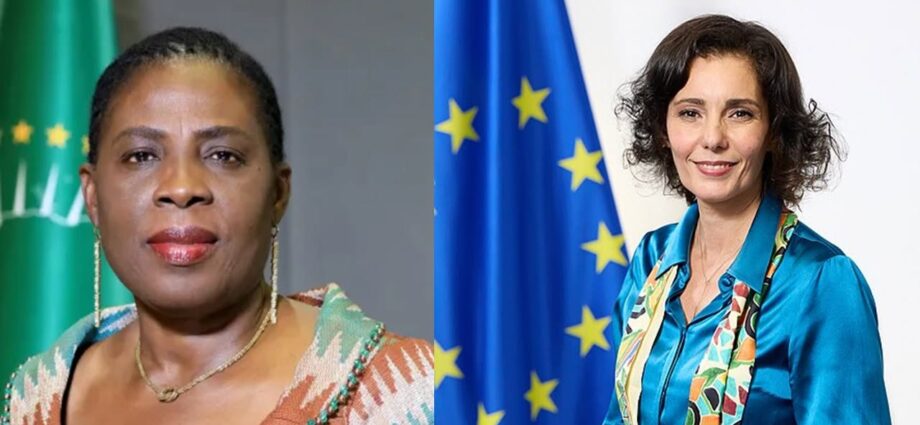
In a joint opinion piece, EU Commissioner Hajah Habib and African Union Commissioner Ambassador Ama Amoah said continued military escalation could lead to a repeat of the violations and humanitarian catastrophe witnessed in El Fasher, particularly in Kordofan.
They said attacks on civilian infrastructure, including health centres, fuel stations, commercial warehouses, and homes, were continuing despite the protection afforded to such facilities under international humanitarian law.
The officials warned that further disruption of infrastructure and basic services would deepen civilian suffering, particularly among women, children, and vulnerable families, while driving additional displacement.
They expressed particular concern over the escalating fighting in Kordofan and the potential impact on El Obeid, a major humanitarian hub and supply route for war-affected areas.
They warned that any deterioration in security in El Obeid or disruption of supply routes could severely hamper the delivery of food, healthcare, and other essential assistance to thousands of civilians.
The two officials called on all parties to respect international humanitarian law and protect civilians and civilian infrastructure, stressing that civilian protection “is not an option.”
They also called for a ceasefire, safe and sustained humanitarian access, and accountability for those responsible for violations.
While humanitarian organizations continue to provide food, medical assistance, and epidemic response in El Obeid and elsewhere, the officials said humanitarian operations alone cannot keep pace with the rapidly worsening consequences of the war.
The warning comes amid intensified military operations across Kordofan and growing concerns that the fighting could further threaten civilian populations and humanitarian and commercial supply routes.