Qureida, October 03 (Darfur24)
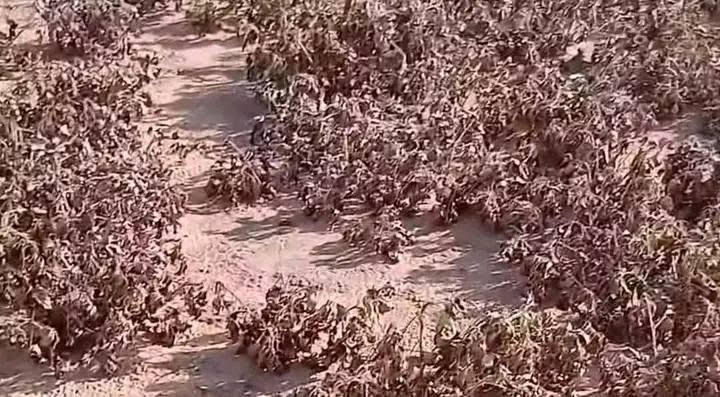
A shortage of rainfall is threatening the agricultural season in Qureida, about 90 kilometers south of Nyala in South Darfur State, with residents reporting declining crop production and growing fears of worsening food insecurity.
Residents told Darfur24 that insufficient rainfall has damaged crops and left large areas of farmland uncultivated, while current conditions point to a poor harvest in a region where agriculture is a major source of food and income.
Jawahir Abdullah, a resident of Qureida, said agricultural production had declined sharply this season, particularly in highland areas that require more rainfall. She said sandy areas had fared better but still produced below normal levels.
She cited beans as an example, saying some plants produced only one or two beans. In previous seasons, farmers harvested between 10 and 15 sacks per acre, compared with no more than five sacks this season in the best cases.
Some farmers have begun harvesting crops for livestock feed because of poor grain yields, Abdullah said, adding that the decline coincided with difficult economic and security conditions.
She said violence between Masalit and Fulani communities in late September also disrupted farming, with some farmers unable to reach their fields and livestock entering and grazing on cultivated land.
Abdullah added that a new sack of beans now costs between 70,000 and 80,000 Sudanese pounds, which she said is unaffordable for many families.
Another resident, Fatima Ahmed, said drought had affected large areas of farmland, while some fields were burned after rainfall failed, preventing farmers from cultivating them as in previous seasons.
She attributed the decline in cultivated land to insecurity and poor rainfall, saying the crops that survived are unlikely to produce enough grain and may instead be used as livestock fodder.
Fatima said many families have increasingly relied on income from relatives working in mining areas, but declining cash availability and insecurity have further strained household finances.
Adam Mohammed, a farmer from the Umm Jadwal area east of Qureida, said farmers had lost hope of achieving a good harvest this year.
Residents warned that continued low production could worsen food insecurity and increase the risk of hunger in the area, where many households depend heavily on agriculture.
Qureida witnessed intercommunal violence between Masalit and Fulani communities in the second half of September, killing more than 20 people and injuring 47 others, according to residents.
The rainfall shortage has affected large parts of Darfur and Kordofan, reducing cultivated areas and raising concerns over worsening food insecurity.
Humanitarian agencies estimate that about 19.1 million people in Sudan face severe levels of food insecurity in 2026, amid continued conflict, displacement, damaged food and health systems and restricted humanitarian access.
The United Nations and its partners have warned that declining agricultural production and continued conflict could further increase hunger risks, particularly in Darfur and Kordofan.