El-Obeid, November 18 (Darfur24)
More than 383,000 people were displaced from Sudan’s Kordofan region over the past year, according to the International Organization for Migration (IOM), as renewed airstrikes in West Kordofan forced about 3,000 people to flee the Abu Qalb area.
IOM’s Displacement Tracking Matrix (DTM) recorded 383,252 internally displaced people from Kordofan between October 25, 2025, and October 25, 2026. They were spread across 1,571 locations in 103 areas within 16 Sudanese states.
IOM teams documented 120 displacement incidents in the region, a 24% increase compared with the beginning of September 2026.
Khartoum State hosted the largest number of people displaced from Kordofan, with 155,818, followed by North Kordofan with 70,205 and White Nile State with 48,254.
In Khartoum, Omdurman, Karari and Umm Badda received the highest numbers. In North Kordofan, Sheikhan and Al-Rahad recorded the largest arrivals. In White Nile State, Kosti received 21,489 displaced people, Rabak 10,079 and Tendelti 7,885.
Meanwhile, the Kordofan Observatory said on Tuesday that airstrikes had hit Abu Qalb, in Abu Zabad locality, West Kordofan, for a third consecutive day, forcing about 3,000 people to flee. The figure represents nearly the entire population of the area, according to the Observatory.
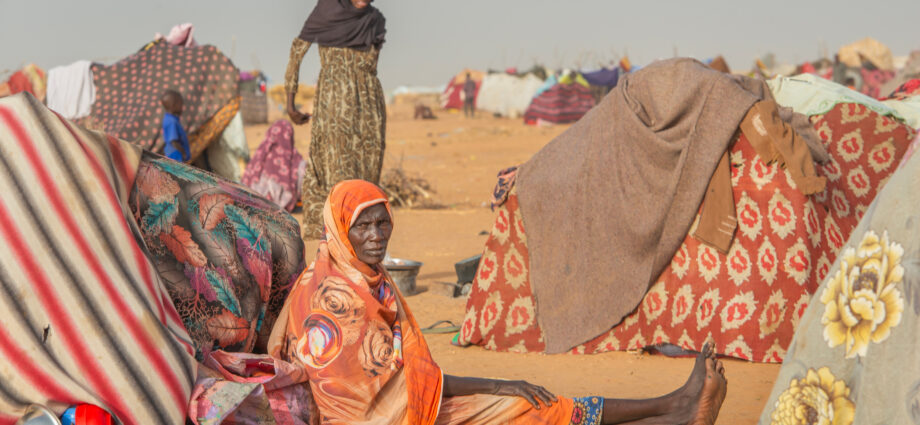
Some residents sought refuge on farms and in open areas, while others fled to neighbouring villages. The Observatory reported shortages of food, shelter and basic services among those displaced.
It said the nearby area of Bant was also shelled on Tuesday, despite dozens of displaced people having sought refuge there. Four civilians were injured, prompting further displacement.
The Observatory added that army forces were approaching the area but said communication network outages had limited information about developments on the ground.
It also reported widespread looting of homes and the market in Abu Qalb, with residents seeking shelter in farms, valleys, open areas and neighbouring villages.
Located about 17 kilometres northeast of Abu Zabad, Abu Qalb serves as the administrative centre for 49 villages with an estimated combined population of 10,000, according to the Observatory. It has also become an alternative trading centre and a key source of drinking water for surrounding villages following repeated drone attacks that disrupted commercial activity in Abu Zabad.
The Observatory warned that continued bombardment and displacement threatened access to food, water and basic services. It called for an immediate halt to airstrikes on populated areas and urged all parties to protect civilians and respect international humanitarian law.
It also appealed to humanitarian organizations to provide emergency food, drinking water, shelter, and healthcare, particularly for people sheltering on farms and in open areas.