Juba, July 09 (Darfur24)
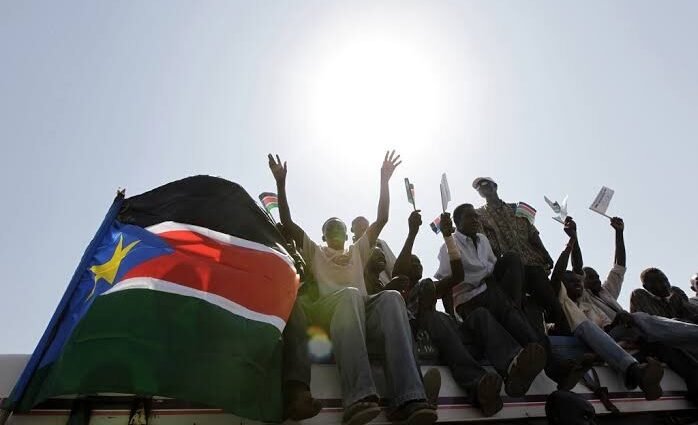
South Sudan is observing its 15th Independence Day with subdued celebrations, as economic hardship, renewed conflict, and a deepening humanitarian crisis overshadow the anniversary. The occasion has also prompted renewed calls from regional peace monitors to accelerate implementation of the country’s peace agreement and complete the long-delayed political transition.
The anniversary marks July 9, 2011, when South Sudan became the world’s youngest nation after an overwhelming majority voted for independence from Sudan following decades of conflict.
In a message marking the anniversary, the Chairperson of the Reconstituted Joint Monitoring and Evaluation Commission (RJMEC), Amb. Maj. Gen. George Aggrey Owinow (Rtd) congratulated the government and people of South Sudan, describing Independence Day as a moment to celebrate the sacrifices that led to the country’s birth while reflecting on the aspirations of peace, unity, justice, democracy and prosperity.
He said the anniversary comes at a critical stage in South Sudan’s transition. While acknowledging progress since the signing of the 2018 Revitalised Agreement on the Resolution of the Conflict in the Republic of South Sudan (R-ARCSS), he said major milestones remain unfinished and called for renewed political commitment to fully implement the agreement.
Owinow described the peace deal as the most credible pathway toward lasting peace, national reconciliation and democratic governance. He urged all signatories to recommit to its full and timely implementation through dialogue, compromise and political will.
He also called for accelerated progress on key outstanding tasks, including governance reforms, the unification of forces, constitution-making, electoral preparations and the creation of an inclusive political and civic environment ahead of elections.
The RJMEC chairperson urged South Sudan’s leaders to place national interests above political differences, saying millions of citizens—particularly women, young people and internally displaced communities—continue to look to the country’s leadership to preserve peace and improve living conditions.
He also praised the resilience of the South Sudanese people and encouraged them to continue promoting peaceful coexistence, dialogue and reconciliation as the foundation of nation-building.
Owinow thanked regional guarantors, the African Union, the Intergovernmental Authority on Development (IGAD), the United Nations and international partners for supporting implementation of the peace agreement.
While independence fulfilled South Sudan’s long-held aspiration for self-determination, many citizens say the promise of peace and development remains incomplete.
The country has established national institutions, expanded diplomatic relations and strengthened its international engagement since independence. However, recurring political tensions, insecurity, economic hardship and climate-related disasters continue to slow progress.
The 2018 peace agreement significantly reduced large-scale fighting and established a framework for political transition, including security reforms, constitution-making and elections. However, implementation has repeatedly fallen behind schedule.
South Sudan also continues to face economic challenges. Rising inflation, a weakening currency and dependence on oil revenues have strained the economy, while disruptions to oil exports caused by the conflict in neighboring Sudan have further reduced government income.
The humanitarian situation remains critical, with millions requiring assistance because of conflict, flooding and food insecurity. The war in Sudan has also driven hundreds of thousands of refugees and returnees into South Sudan, placing additional pressure on already limited resources and public services.
As the country marks 15 years of independence, many South Sudanese view the anniversary as both a celebration of hard-won freedom and a reminder that achieving lasting peace, democratic governance and sustainable development remains an unfinished national task.