Nairobi, June 10 (Darfur24)
Human Rights Watch (HRW) has called on the Sudanese Armed Forces (SAF) to investigate and hold accountable former Rapid Support Forces (RSF) commanders who recently defected to the army, warning that changing sides should not shield individuals from responsibility for alleged war crimes and serious human rights violations.
The rights organization said on Tuesday that Sudanese authorities should cooperate with ongoing regional and international investigations into atrocities committed during the conflict, particularly in Darfur.
The call follows the defection of two senior RSF commanders in recent months. Major General Al-Nour Ahmed Adam, known as Al-Nour Al-Qubba, joined the army in April, while Commander Ali Rizq Allah, known as Al-Safana, defected in May after overseeing military operations in Kordofan and Darfur.
“Those responsible for serious international crimes and human rights violations do not get a free pass if they switch sides,” said Mohamed Osman, Sudan researcher at Human Rights Watch.
HRW said it had documented widespread abuses committed by RSF forces during the siege and eventual capture of El Fasher, including unlawful killings and sexual violence. The organization said it had verified videos showing both commanders present during military operations around the city, while RSF statements had previously identified Al-Nour Al-Qubba as one of the force’s commanders in El Fasher.
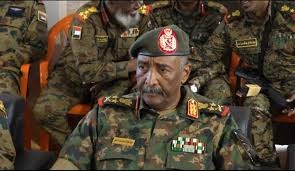
Sudanese army commander and Sovereign Council chairman Abdel Fattah al-Burhan publicly welcomed Al-Qubba following his defection. Ali Rizq Allah also appeared in a Sudanese army uniform shortly after announcing his departure from the RSF and pledged to fight alongside the army.
Human Rights Watch expressed concern that previous defections had not been followed by investigations into alleged abuses. The organization cited the case of Abu Aqla Keikel, a former RSF-aligned commander in Gezira State who defected to the army in 2024. HRW and other organizations later documented abuses allegedly committed by forces under his command, while the European Union imposed sanctions on him in 2025.
The organization said there is no public evidence that Sudanese authorities have investigated crimes allegedly committed by Keikel or other commanders who changed sides during the war.
HRW noted that Sudanese authorities are obligated under international law to investigate and prosecute those responsible for war crimes, crimes against humanity and other serious violations, regardless of any political or military agreements.
The organization warned that granting amnesty or immunity to commanders accused of atrocities could violate victims’ rights to justice and accountability.
The statement comes as international investigations into crimes committed during the Sudan conflict continue. The International Criminal Court is currently investigating alleged war crimes, crimes against humanity and genocide in Darfur, while UN-backed fact-finding missions have repeatedly warned that impunity remains one of the main drivers of the conflict.
Human Rights Watch also urged members of the international Coalition for Atrocity Prevention and Justice on Sudan to support accountability efforts and oppose any arrangements that could shield perpetrators from prosecution.
The war between the Sudanese army and the Rapid Support Forces, which began in April 2023, has been marked by widespread allegations of atrocities against civilians across several regions of Sudan, particularly in Darfur, where international organizations have documented killings, sexual violence, forced displacement and attacks on civilian communities.