Al-Malm, October 05 (Darfur24)
Residents of Al-Malm, about 150 kilometers north of Nyala in South Darfur State, warn of an impending humanitarian crisis as scarce rainfall threatens the agricultural season, drives up food prices and worsens cash shortages.
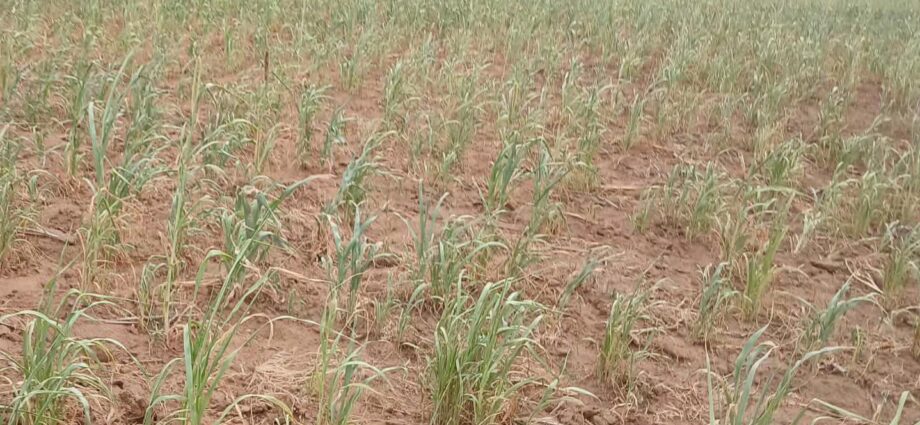
Ibrahim Hamed, a local notable, told Darfur24 that the agricultural season in Al-Malm and surrounding areas, including Kila and nearby villages, has largely failed, with the success rate estimated at no more than 5%.
Hamed warned the situation could develop into a “humanitarian catastrophe not seen in 40 years,” citing declining agricultural production and worsening living conditions.
The crisis has also been compounded by a severe cash shortage.
Hamed said the gap between money transferred through banking applications and the amount received in cash had reached about 45%, while prices of basic commodities, including millet, maize, sugar and flour, have risen sharply.
Tahani Abdullah, a resident of Al-Malm, told Darfur24 that the lack of rain had affected both farmers and herders, with crops drying up and livestock dying. Some herders have been forced to leave the area in search of pasture.
She said she recently received 42,000 Sudanese pounds in cash from 70,000 pounds sent through a banking application, reflecting a 45% loss in value.
Abdullah said soaring food prices and the shortage of cash had left residents struggling to meet basic needs. She added that many farmers had stopped visiting their fields after losing hope of salvaging the season, while tobacco cultivation, a major source of income in the area, had also failed because of the lack of rain.
A local volunteer, who requested anonymity, said appeals to international humanitarian organizations for assistance had so far gone unanswered despite repeated warnings about the failure of the agricultural season and shortages of food and water.
The volunteer said the situation was particularly concerning because thousands of displaced people depend on agricultural work during the rainy season and tobacco cultivation during the winter to earn a living.
The cash shortage has further reduced residents’ purchasing power, with the conversion gap between funds held in banking applications and cash reaching 45%, according to local sources.
Large parts of Darfur and Kordofan are experiencing below-average rainfall, leaving significant agricultural areas out of production and raising concerns about worsening food insecurity.
Humanitarian agencies estimate that about 19.1 million people in Sudan could face severe food insecurity in 2026, including populations in areas experiencing famine conditions. Acute malnutrition is also expected to increase among children and pregnant and breastfeeding women amid continued displacement and damage to food, water and health systems.
The United Nations and its partners have warned that continued conflict, declining agricultural production and restrictions on humanitarian access could further increase the risk of widespread hunger, particularly in Darfur and Kordofan.