Damazin, September 14 (Darfur24)
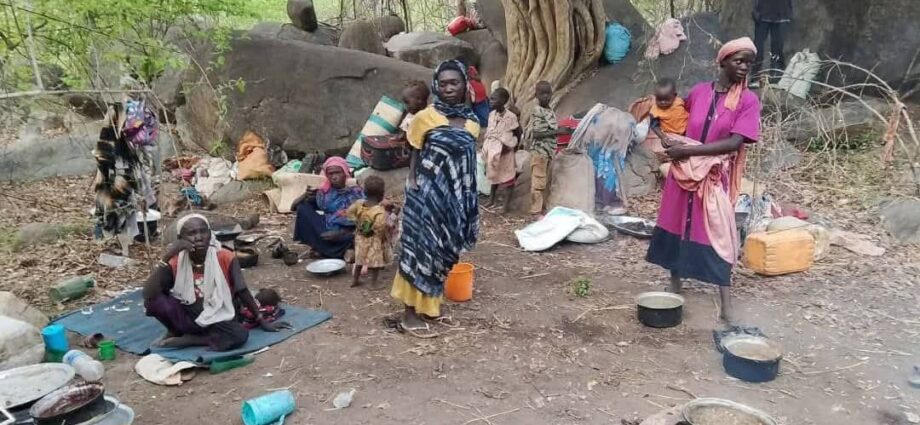
The International Organization for Migration (IOM) said on Sunday that 99,277 people, representing 19,497 families, have been displaced from various locations across Sudan’s Blue Nile region since the beginning of the year.
The region has witnessed heavy fighting between the Sudanese army and its allies and an alliance including the SPLM-North and the Rapid Support Forces (RSF) in Qaysan and Kurmuk provinces, which the alliance seized in August.
According to the IOM, the displaced people fled to seven localities across Blue Nile. Damazin received the largest number, with 45,740 displaced people, followed by Qaysan with 15,735, Faba with 12,687, Wad Al-Mahi with 11,685, Al-Rusayris with 11,060, Al-Kurmuk with 1,385, and Al-Tadamun with 985.
The organization said 39,570 people fled Qaysan, 32,515 fled Kurmuk, and 27,192 were displaced from Baw.
It added that 61% of the newly displaced people settled in rural areas, while 39% moved to urban areas, particularly Damazin and Al-Rusayris.
According to the IOM, 58% of the displaced people are living in informal gathering sites, while 33% are being hosted by families and 9% are sheltering in schools and other public buildings.
The total number of registered displaced people in Blue Nile has reached approximately 370,745, with 71% having been displaced from other locations within the region.
The assessment found that 60% of displaced families reported that at least one household member had needed health services during the previous three months, with many facing obstacles in accessing care.
Food insecurity and shortages of basic services are also worsening, the IOM said. About 95% of households reported rising prices for basic food and non-food items during the previous 30 days, while more than a quarter reported borderline or poor food consumption.
The organization said 41% of households lacked sufficient drinking water for one or two days, while 22% faced shortages lasting between three and 10 days. Among households facing difficulties accessing water, 64% reported buying water as their main coping strategy.
Meanwhile, 38% of families reported obstacles in accessing humanitarian assistance. The main barriers cited were a lack of information, reported by 64% of those affected; the unavailability of aid, reported by 43%; discrimination, reported by 35%; and a lack of identification documents, reported by 19%.