Damazin, July 24 (Darfur24)
Health authorities in Sudan’s Blue Nile State have confirmed 681 dengue fever cases and more than 600 suspected infections in Damazin since June, as officials step up mosquito control efforts amid complaints over the high cost of testing and shortages of some medicines.
Bilal Al-Daw Al-Qaja, director of the General Administration for Emergencies and Epidemic Control in Blue Nile State, told Darfur24 that 681 cases have been confirmed through rapid diagnostic tests, while more than 600 additional suspected cases have been recorded.
He said hospitals have reported one confirmed death, while authorities are investigating several other suspected dengue-related deaths in the community.
According to Al-Qaja, the worst-affected areas include the East Al-Nasr, West Al-Nasr, Al-Thawra, and Arkawit neighbourhoods, as well as the army barracks. He said authorities launched a response plan on July 16, including the removal of mosquito breeding sites, indoor spraying campaigns in the hardest-hit neighbourhoods, and an expansion of control measures to the nearby city of Al-Rusayris.
He added that health authorities had distributed 150 rapid dengue test kits free of charge to government hospitals, the police hospital, and the military medical hospital.
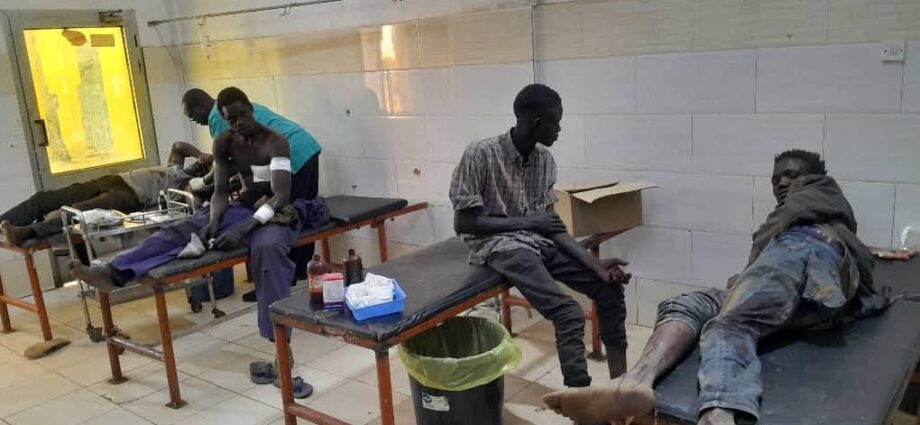
A health official, speaking on condition of anonymity, told Darfur24 that infections are rising rapidly, with hospitals and private clinics overwhelmed and many patients receiving treatment at home.
The official said dengue tests cost between 35,000 and 40,000 Sudanese pounds, while shortages of some medicines have left health facilities struggling to meet growing demand.
Several Sudanese states experience seasonal increases in dengue infections during the rainy season as mosquito populations expand. Health authorities have urged residents to eliminate stagnant water around their homes and seek medical care promptly if symptoms develop.
The World Health Organization has identified Sudan as one of the countries at highest risk of dengue outbreaks in the region, warning that the rainy season, widespread displacement and weakened mosquito-control services are increasing the risk of transmission in several states, including Blue Nile. The agency has called for intensified vector-control campaigns, stronger disease surveillance, and improved access to diagnostic tests and treatment.