Nairobi, June 24 (Darfur24)
The Rapid Support Forces (RSF) have imposed new restrictions on the movement of political and executive officials working within their civilian administration, requiring prior authorization before traveling within or outside areas under RSF control, according to multiple sources who spoke to Darfur24.
The measures come amid a wave of defections involving both political and military figures who have left RSF-held territories and joined the administration aligned with Sudanese army chief and Sovereignty Council Chairman Lieutenant General Abdel Fattah al-Burhan.
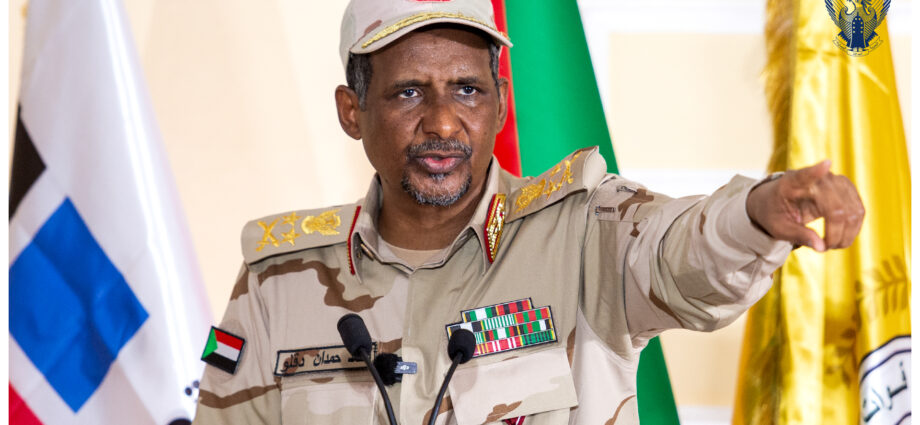
A senior official in the civil administration of West Kordofan, speaking on condition of anonymity for security reasons, told Darfur24 that unwritten directives were issued by RSF commander and head of the Presidential Council, Mohamed Hamdan Dagalo “Hemedti,” and circulated to officials across states and localities.
According to the source, the directives prohibit officials and administrators from leaving their areas of responsibility or traveling to other destinations without obtaining prior approval from the relevant authorities.
The restrictions apply to executive and political officials at various levels of the civilian administration. The source said the stated objective is to regulate the movement of officials and monitor their administrative and security status.
The measures follow reports that the RSF recently detained several officials from the civil administration in South Darfur on allegations that they were attempting to leave RSF-controlled territory and travel to South Sudan before moving onward to areas controlled by the Sudanese army.
Sources also told Darfur24 that a number of officials have successfully departed RSF-held areas in recent months and reached territories under army control, highlighting concerns within the RSF leadership over continued defections.
The latest restrictions reflect growing security concerns inside RSF-controlled regions, where administrative and security structures have undergone significant changes as the conflict between the Sudanese army and the RSF enters its fourth year.
Observers say the move underscores increasing efforts by the RSF leadership to maintain cohesion within its political and civilian institutions at a time when battlefield dynamics and political realignments continue to reshape Sudan’s conflict landscape.