Exclusive, October 13 (Darfur24)
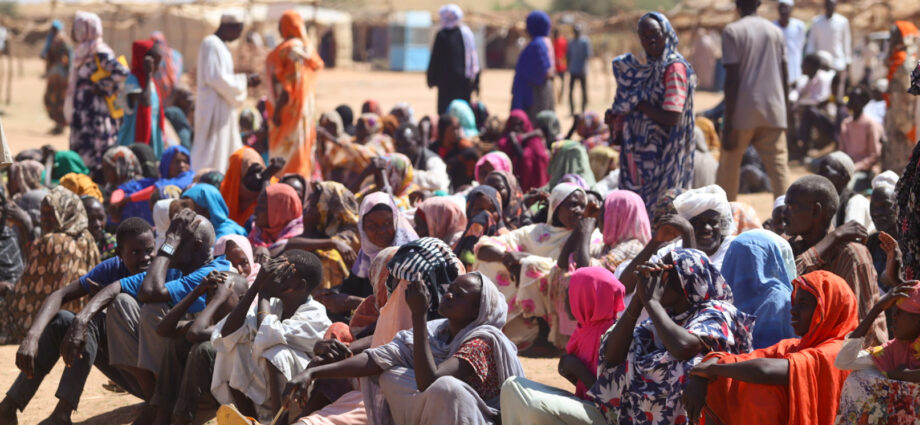
Millions of Sudanese have returned to their areas of origin since the war began in April 2023. But damaged homes, food shortages, insecurity and dwindling humanitarian assistance are raising questions about whether they can rebuild their lives and remain there.
According to the International Organization for Migration (IOM), approximately 5.1 million people had returned to their areas of origin by August 2026. Yet returning home does not necessarily mean returning to safety, stability or a normal life.
Many returnees face damaged infrastructure, disrupted livelihoods and limited access to healthcare, education and humanitarian assistance. For them, reaching home may be only the beginning of another struggle.
A difficult homecoming
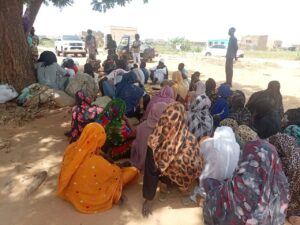 In El Fasher, North Darfur, food shortages continue to complicate efforts to rebuild lives.
Halima Al-Saadia, who recently arrived in the city from Wana in North Darfur, told Darfur24 that “many families survive on just one meal a day because of limited food distributions.”
In the Tabara area, community leader Sheikh Adam Mohammedin Yahya also described difficulties facing returnees as they attempted to restore normal life, citing delays in humanitarian assistance.
Khartoum draws people back, but recovery remains fragile
Khartoum has become the largest destination for returnees. By the end of June 2026, IOM had recorded approximately 2.27 million returnees in Khartoum State and another 1.23 million in Al Jazirah State, according to figures cited in a September 2026 UK government assessment.
Returns to the capital accelerated after Sudanese army forces recaptured it from the Rapid Support Forces. However, the recovery of basic services and livelihoods has struggled to keep pace with residents’ return.
A Reuters report published on July 10 described damaged infrastructure, unreliable electricity, disrupted education and weakened public services, while many businesses continued to struggle to reopen. Residents also faced insecurity and the threat of unexploded ordnance and landmines.
For returning families, homes may be damaged or occupied, schools closed and healthcare difficult to access. With jobs scarce and essential services unreliable, some households may struggle to remain even after returning to their areas of origin.
The number of returnees therefore measures population movement, not whether people have achieved a safe and sustainable recovery.
Returning because resources have run out
Not all returns reflect improved living conditions.
IOM’s 2026 response plan identifies changing conflict dynamics, depleted savings and limited support in neighbouring countries among the factors influencing returns. Meanwhile, war damage continues to restrict access to shelter, water, electricity, healthcare and other essential services.
A September 2026 UK government assessment, drawing on IOM and UNICEF reporting, found that all returnee households covered by one assessment in North Darfur had reportedly returned after exhausting their resources in displacement areas.
For families displaced within Sudan, returning may be their only option. For those who crossed international borders, decisions may depend on whether they can find work, obtain legal protection and access essential services in host countries.
Millions remain displaced
IOM’s August 2026 displacement snapshot recorded 8,583,274 internally displaced people across 185 localities in all 18 Sudanese states, alongside 5,145,165 returnees across 77 localities in nine states.
About 82 percent of returnees had returned from displacement elsewhere inside Sudan, while 18 percent had returned from abroad. Children under 18 accounted for approximately half of the returnee population.
The figures show that most returns are internal movements rather than mass returns from neighbouring countries. They also highlight the scale of the challenge facing communities receiving people who have lost homes, assets, jobs and access to basic services.
Children make up a substantial share of the returning population. Their prospects depend on whether schools reopen, healthcare becomes accessible, food supplies improve, and protection services are restored.
Meanwhile, new displacement continues in areas affected by fighting, particularly parts of Darfur and Kordofan. Changing conflict dynamics can trigger further movement even as people return elsewhere.
Sudan is therefore confronting several crises simultaneously: families returning to damaged homes, millions remaining displaced and others being forced to flee again.
Hunger and insecurity undermine recovery
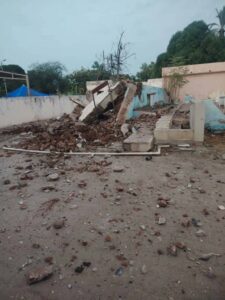 For returning families, the crisis does not end when fighting subsides or moves elsewhere.
On October 12, 2026, the Associated Press reported that an assessment by the Integrated Food Security Phase Classification warned of worsening food insecurity in parts of Sudan, particularly Darfur and Kordofan. Approximately 19.5 million people had faced high levels of acute food insecurity in May, while drought and poor harvests were compounding the effects of war.
Reporting by Darfur24 from El Fasher illustrates how food shortages affect daily life. Al-Saadia said many families were surviving on one meal a day because food distributions were limited.
In separate reporting, Darfur24 documented how deteriorating conditions in rural parts of North Darfur had pushed some families towards El Fasher in search of food and basic services.
These accounts raise concerns that some people who return home may be forced to leave again if they cannot secure food, work or humanitarian assistance.
The local reports do not establish how widespread repeat displacement is across Sudan. However, they illustrate why return figures alone cannot demonstrate whether families have achieved lasting recovery.
A household may return to its village but find it impossible to remain without seeds, tools, livestock, functioning markets or sufficient food.
Security conditions also vary significantly. Large-scale returns to Khartoum and Al Jazirah have taken place even as fighting has intensified in parts of Darfur and Kordofan. The prospects for a family returning to a neighbourhood in the capital may therefore differ considerably from those of a family returning to an area affected by active conflict, severe hunger or widespread destruction.
Funding shortfalls threaten recovery
Humanitarian agencies are struggling to meet needs across Sudan, including in communities receiving returnees.
The UN’s 2026 Sudan Humanitarian Needs and Response Plan estimated that 33.7 million people needed assistance and sought approximately $2.87 billion to support 20.4 million people. By June, about $1.18 billion had been received, representing 41.1 percent of the requirement, according to figures cited in the September UK government assessment.
The funding shortfall affects more than emergency food distributions. For people to remain in their home areas, they need shelter, clean water, functioning health services, education, protection and opportunities to earn an income.
Communities receiving large numbers of returnees also need resources to expand services that may already be overstretched.
IOM’s 2026 crisis response plan identifies shelter, water and sanitation, and assistance for displaced and returning populations as key priorities. It also highlights the role of local responders, including community-based emergency response groups.
The central question is whether sufficient resources will be available to support people after they arrive, rather than only during their journey home.
Measuring sustainable return
National statistics cannot establish how many returnees have rebuilt stable lives. That requires monitoring what happens after they arrive.
Are families living in safe homes? Can children attend school regularly? Are health facilities operational? Can households find work, cultivate land or reopen businesses? Do people feel secure enough to remain?
Monitoring must also establish how many families move again, why they leave and whether they can access essential services and livelihoods over time.
Return is not the same as recovery
Sudan’s 5.1 million returnees represent a major population movement since the war began. But the figure does not mean the humanitarian crisis is ending.
IOM’s August 2026 data recorded more than five million returnees alongside approximately 8.6 million internally displaced people. Damaged infrastructure, food insecurity, limited public services and humanitarian funding shortfalls continue to complicate recovery.
For some families, returning home may offer the first opportunity in years to rebuild their lives. For others, it may be a difficult decision made after savings and support elsewhere have run out.
Reporting from El Fasher and Tabara illustrates how food shortages and inadequate humanitarian assistance can complicate recovery in parts of North Darfur. These local accounts offer a glimpse of the challenges facing some returnees, but they cannot represent the experiences of millions of people across Sudan.
Ultimately, progress should not be measured by how many people return, but by whether they can live safely, feed their families, access healthcare, educate their children and earn a living.