Qulu, August 10 (Darfur24)
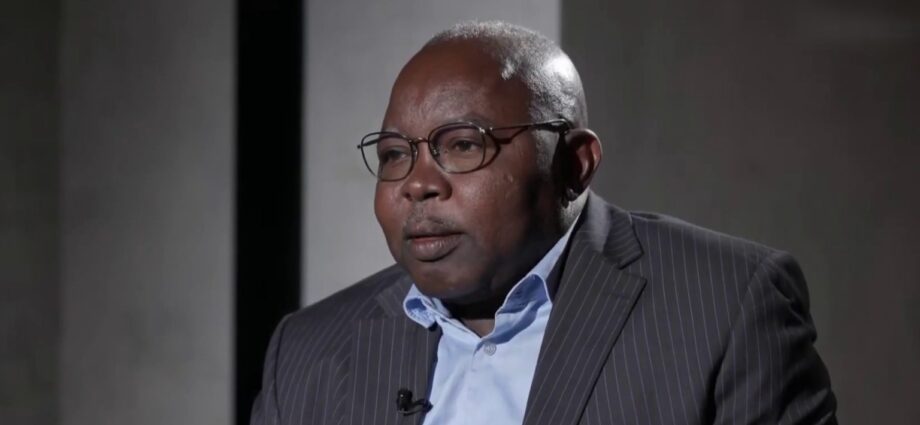
The leader of the Sudan Liberation Movement, Abdul Wahid Mohamed Nour, has ordered investigations into allegations of land seizures, manipulation of food rations for displaced people, and abuses allegedly committed by members of the movement in areas under its control in Darfur.
The movement controls parts of Jebel Marra in Central and South Darfur, as well as Tawila locality in North Darfur State, where it has established a civilian administration to govern areas under its control. Tawila is home to an estimated 706,000 displaced people.
Sources told Darfur24 that Abdul Wahid issued directives to three sectors of the movement—the military sector, the civilian authority, and the Coordination of Displaced Persons and Refugees—to investigate allegations of corruption and abuses in the areas referred to by the movement as its “liberated territories.”
According to the sources, Abdul Wahid instructed the civilian authority to conduct an independent and transparent investigation into allegations that citizens’ agricultural lands had been seized in Tawila locality.
He also directed the Coordination of Displaced Persons and Refugees to investigate allegations of manipulation of food rations provided to displaced people, while ordering the military sector to investigate reports of killings and attacks allegedly committed by movement members against civilians.
The sources said Abdul Wahid held the three sectors responsible for the growing and recurring media reports concerning the allegations and called on them to address what he described as the prevailing “chaos.”
The directives follow allegations raised by residents of Tawila. In January, citizens told Darfur24 that the movement’s civilian authority had seized privately owned agricultural land and offered some of it for public auction to establish commercial shops.
At the time, a military commander at the movement’s Dabba Nayra garrison pledged to halt encroachment on private land and cancel any measures taken illegally by the civilian authority or the Chamber of Commerce concerning agricultural land.
Separately, Darfur24 documented in May cases involving dozens of displaced women, including survivors, who reported being subjected to blackmail and sexual exploitation in exchange for humanitarian assistance in displacement camps.
The latest directives could provide a mechanism for investigating the allegations and determining responsibility, although it remains unclear whether the investigations will be conducted independently and whether their findings will be made public.