Al-Daein, August 1(Darfur24)
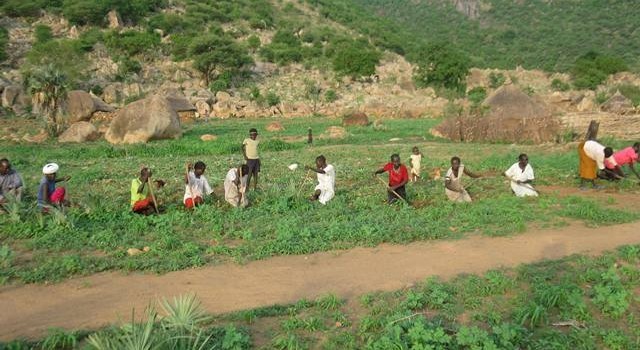
The agricultural sector in East Darfur State is on the brink of collapse due to rising production costs, deteriorating economic situation of rural families, and delayed rainfall.
Many farmers have been unable to afford seeds, fuel, and machinery during the current agricultural season, turning fields that were once a source of food into barren land.
Alerts have been issued that this will lead to a decline in food security and push hundreds of families to the brink of famine.
Agricultural expert Hamid Abdullah warned that the the current agricultural situation in East Darfur will force more farmer into displacement, further exacerbating the already precarious security situation.
Speaking to Darfur24 podcast, Abdullah said that agricultural partners from government institutions, research bodies, and international organizations supported production every season before the war. However, after the war, farmers found themselves alone, having lost all sources of income, and the agricultural season was left to the “mercy of fate”.
He pointed out that the war and climate change have affected farming patterns and urged small farmers to cultivate fast-growing crops instead of relying on millet and export crops like peanuts. He refered to several varieties of maize that were previously introduced by the Research Authority and the FAO to adapt to the climate, and these are still available.
Farmer Halima Adam, from the town of Badi, north of Al-Daein, told Darfur24 that she used to cultivate large areas before the war, but these areas gradually decreased until “I now only cultivate between 5 and 7 acres.” She attributed the decline to the deteriorating conditions of farmers and the absence of supporting institutions and organizations that used to provide seeds and food during agricultural operations.
She added, “The capital of productive farmers has been depleted, and they are no longer able to provide for their livelihoods, let alone continue farming.”
For his part, farmer Suleiman Khamis attributed the decline in agriculture to security concerns that led large-scale farmers to withdraw from the profession of agriculture.
He explained that there are challenges related to marketing and price fluctuations, especially after “the warring parties prevented the movement of produce from one side’s territory to the other’s, and imposed exorbitant fines on crops.”
He continued, “This has led to low crop prices in areas controlled by the Rapid Support Forces, prices that do not cover production costs.”
Agricultural activities in East Darfur have declined since the outbreak of war in April 2023, due to the absence of state institutions, high production costs, and marketing complexities, which has resulted in the state losing a significant portion of its ability to provide even a minimum level of food.
With rainfall expected to be scarce this year, farmers’ options appear limited to migration or starvation.
The question on everyone’s mind in East Darfur remains unanswered: Who will save the next harvest before the state’s fields turn to desert and the food crisis becomes an irreversible catastrophe?
This report is based on episodes from the first season of the “Stories from Darfur” podcast, produced by Darfur24 and published on its website and social media platforms.