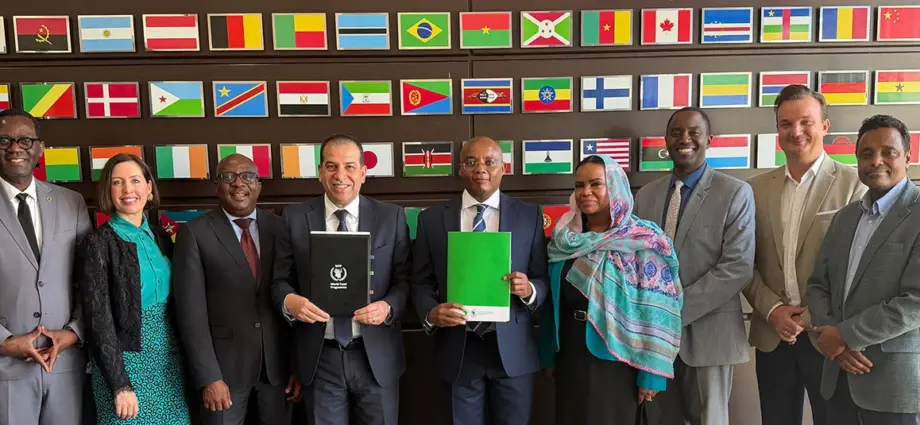
Nairobi, June 11 (Darfur24)
The African Development Bank Group (AfDB) and the United Nations World Food Programme (WFP) have launched an $87 million project aimed at strengthening food production and supporting farming communities in Sudan.
The four-year initiative, known as the Boosting Agrifood Systems Resilience in Sudan (BOOST) project, was launched on May 22 in Nairobi. According to the regional bank, BOOST seeks to help farmers restore agricultural production, reduce post-harvest losses, improve incomes, and strengthen access to local markets.
The project comes as Sudan faces a deepening food crisis, with more than 19 million people experiencing crisis levels of hunger or worse.
BOOST will be implemented in rain-fed farming areas of Sennar and Blue Nile states, two regions that have traditionally been among Sudan’s main agricultural production zones but have been affected by conflict and low productivity.
According to the project partners, BOOST will support more than 230,000 farming households and is expected to contribute to the production of nearly one million metric tons of cereals and pulses over four years.
Speaking during the launch, WFP Sudan Country Director Abdallah Alwardat said farmers participating in WFP-supported resilience programs had managed to maintain agricultural production despite the conflict.
David Muthusi Mutuku, AfDB Country Manager for Sudan, said the project aims to boost staple food production, strengthen rural livelihoods, and improve communities’ ability to withstand future shocks.
The project will be implemented by WFP in partnership with United Nations agencies and agricultural research institutions. Activities will include farmer training, support for agribusiness development, and strengthening producer groups.
BOOST builds on the ongoing Sudan Emergency Wheat Production Project, which is also implemented by WFP. Since 2023, the African Development Bank and WFP have invested nearly $267 million in agricultural resilience and recovery activities in Sudan.