Khartoum, May 30 (Darfur24)
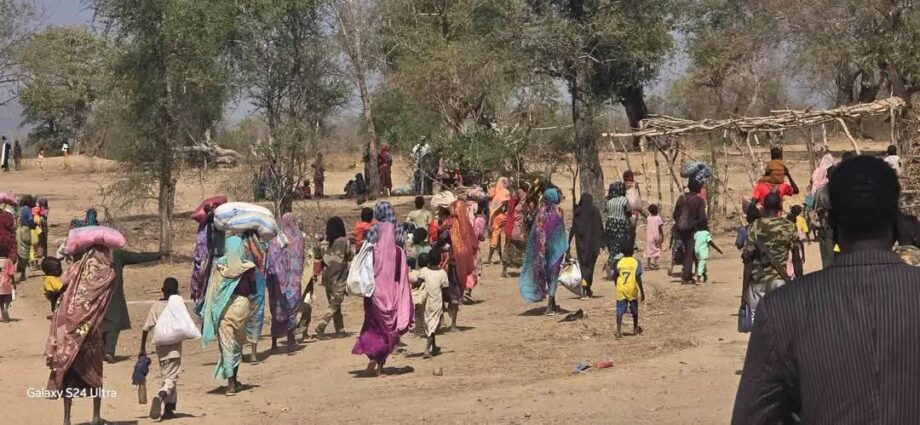
Women and girls living in displacement camps in Sudan’s Blue Nile State face growing risks of harassment, sexual violence, and exploitation due to deteriorating living conditions and weak protection systems, the United Nations Population Fund (UNFPA) said in a report released Friday.
The findings, based on a joint humanitarian assessment mission, highlighted the vulnerability of women and girls in high-risk displacement sites, where overcrowding, inadequate water and sanitation services, poor lighting, and limited access to health and protection services have increased exposure to abuse and harmful coping mechanisms.
According to UNFPA’s April 2026 report, an estimated 33.7 million people across Sudan require humanitarian assistance, including 8.1 million women of reproductive age and around 805,000 pregnant women. The agency aims to reach one million women and girls with reproductive health services and 1.9 million people through gender-based violence prevention and response programs.
The report noted that approximately 8.8 million people remain internally displaced across Sudan’s 18 states, while more than 4.2 million people have returned to their areas of origin. Women and children account for the majority of both displaced and returning populations.
UNFPA said escalating fighting in Blue Nile State has triggered new displacement waves, while conditions in South Kordofan remain highly fragile, with reports of harassment, child marriage, domestic violence and the detention of women and girls at checkpoints.
During April, UNFPA-supported reproductive health services reached 77,570 people in 17 states and 34 localities through 83 service delivery points, including emergency obstetric facilities, mobile clinics, and primary healthcare centres.
The services supported approximately 7,850 safe deliveries attended by skilled health personnel. The report also documented 16 maternal deaths, most of them linked to postpartum haemorrhage and sepsis.
Meanwhile, more than 102,700 people received gender-based violence prevention and response services across 14 states and 34 localities during April. Women and girls accounted for more than 95 percent of beneficiaries.
The assistance included case management, psychosocial support, safe referrals, and access to specialised services, with nearly half of the support delivered through dedicated safe spaces for women and girls.