Malha, February 12 (Darfur24)
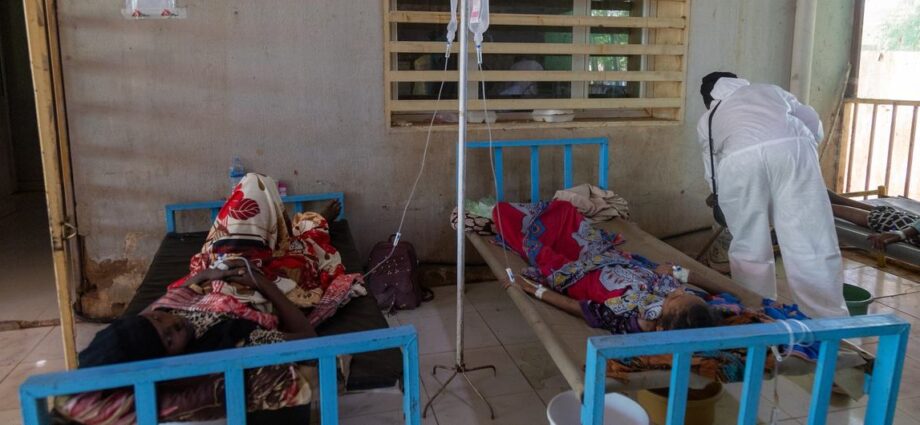
Health workers in Al-Malha, northeast of El Fashir, say a surge of unexplained fevers and malaria cases is straining already limited medical facilities, with clinics reporting heavy overcrowding and shortages of diagnostic equipment.
A medical source who requested anonymity told Darfur24 that the locality has seen a wave of illnesses over the past week, including persistent fevers, dry cough among children, and cases of intestinal diarrhea. He said many laboratory tests are currently unavailable due to a lack of equipment, complicating efforts to accurately diagnose patients and contributing to rising case numbers.
The Al-Malha Emergency Room reported what it described as an alarming health situation across rural centers in Al-Malha, Kinana, Mariqa, Ain Basaru, and Adrur. In a report obtained by Darfur24, the chamber cited field testimonies from medical staff pointing to an unusual epidemiological pattern marked by consistent symptoms among patients, including high fever, severe joint and bone pain, fatigue, and gastrointestinal illness, signs health workers say resemble dengue fever.
The report added that these symptoms are occurring alongside a confirmed malaria outbreak, creating what it called a “double burden” that weakens patients and complicates treatment efforts.
Health workers noted that similar cases are appearing simultaneously across several rural areas — including Mariqa, Kinana, Ain Basaru, Adrur, and Al-Jazou — suggesting an active epidemic rather than isolated seasonal illnesses.
According to the chamber, more than 1,000 people sought care at rural health centers in the past week, with daily patient numbers rising sharply. Clinics are reportedly operating beyond capacity, facing overcrowding, shortages of beds, and dwindling emergency medicine supplies.
The outbreak has also forced the temporary suspension of classes at Kinana Complex School and Al-Mutafi School.
The emergency room called for urgent humanitarian intervention to supply essential medicines, including antimalarial drugs, intravenous fluids, pain relief medications, and rapid malaria and dengue tests, and to expand treatment capacity through additional tents and beds to accommodate patients currently being treated on the ground.