New York, October 29 (Darfur24)
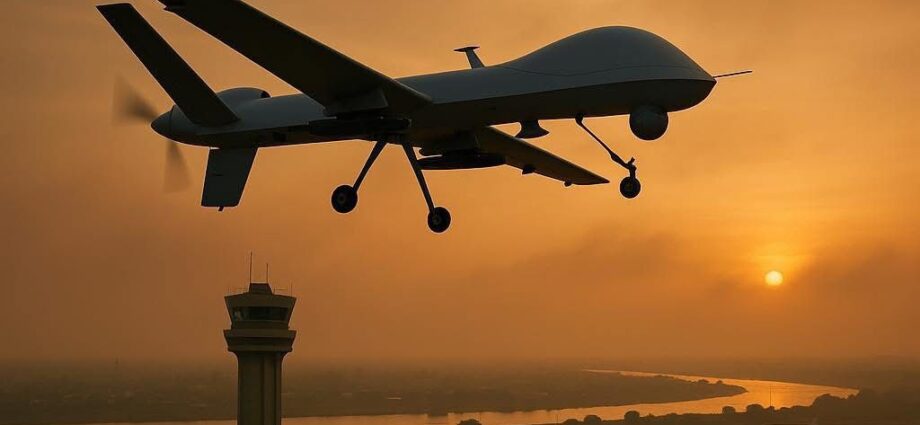
The UN Independent International Fact-Finding Mission on Sudan has warned that expanding drone warfare, attacks on critical infrastructure, and growing repression are increasing risks to civilians, particularly in El Obeid, the capital of North Kordofan State.
Mohamed Chande Othman, head of the mission, told the UN General Assembly’s Third Committee that investigators had documented repeated drone attacks by the Rapid Support Forces (RSF) in El Obeid, alongside a climate of fear and intimidation and allegations of arbitrary detention by security agencies linked to the Sudanese Armed Forces and their allies.
The mission outlined its findings in a working paper titled Sudan’s Unrelenting War: Devastation of Civilians and Worsening Insecurity in El Obeid. The paper examines attacks on critical infrastructure and the risks facing residents, warning that continued bombardment, insecurity and pressure on civilian services could trigger further escalation.
Othman said October had seen some of the deadliest individual attacks in Sudan since the war began in April 2023.
He cited a drone attack in Blue Nile State that reportedly killed at least 30 displaced people, including women and children, and injured others.
He also referred to reports that at least 72 gold miners were killed in two Egyptian airstrikes on a mining area near the Sudanese-Egyptian border on October 10.
In Abyei, a drone strike on October 19, attributed to the Sudanese Armed Forces (SAF), reportedly killed at least 80 people and injured others.
Mission raises concerns over foreign support
Othman said the mission had found reasonable grounds to believe that transfers of weapons, military technology, logistical support and foreign personnel had strengthened the military capabilities of both sides and contributed to the growing use of sophisticated weapons, particularly long-range drones.
He said evidence gathered by investigators pointed to the involvement of individuals and entities operating from the United Arab Emirates, Chad, southeastern Libya and Puntland in Somalia in facilitating the transfer of weapons, drone-related technology, logistical support and personnel to areas controlled by the RSF, including Nyala in South Darfur State.
Othman also said Colombian contractors had played a significant role in the RSF’s capture of El Fasher a year earlier. The mission had identified foreign fighters from neighboring countries fighting alongside the RSF in El Fasher and other areas, he added.
He said the investigation into external support for the Sudanese Armed Forces was continuing.
Othman further noted that a report submitted to the UN Human Rights Council in September had concluded that there were reasonable grounds to believe the Sudanese Armed Forces had used foreign-supplied drones in operations that damaged civilians and civilian objects.
The mission’s findings underscore growing concerns about the impact of increasingly sophisticated weapons on civilians and essential infrastructure as Sudan’s conflict continues.