Geneva, September 04 (Darfur24)
The Independent International Fact-Finding Mission on Sudan has warned that drone warfare and foreign support are expanding the scope of the conflict and increasing risks to civilians, saying there are “reasonable grounds” to believe that a cross-border network has supplied the Rapid Support Forces (RSF) with weapons, logistics, training and foreign personnel.
In a report released Tuesday, the mission said external support was strengthening the military capabilities of both sides and fueling continued operations. The growing use of drones has allowed the warring parties to conduct strikes far beyond front lines, but has not improved civilian protection.
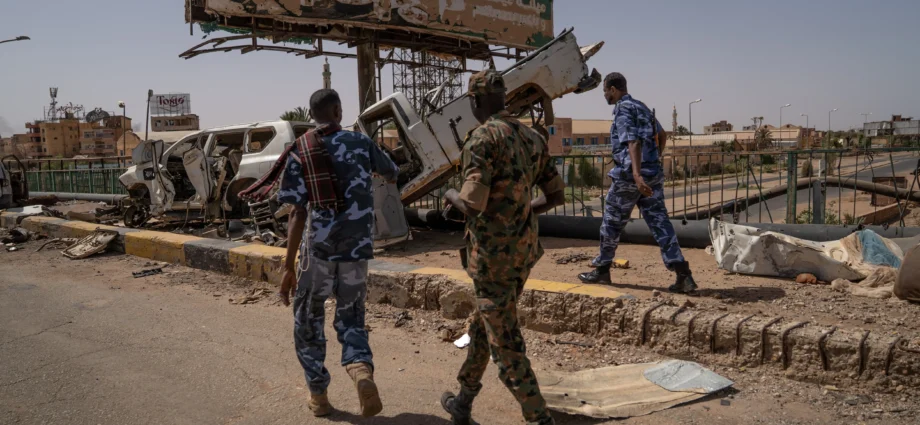
The mission documented attacks on civilians, hospitals, schools, markets and displacement sites, some of which it said may amount to war crimes.
More than 1,000 civilians killed in drone strikes
The mission said the UN human rights office documented more than 1,000 civilians killed in drone strikes between January and May 2026.
Drone attacks targeted health facilities, schools, places of worship, markets and displacement sites, as well as civilian gatherings including weddings and funerals.
The mission attributed several attacks to the RSF, including strikes on El Obeid, a kindergarten, Kalogi Rural Hospital and a displacement site in Kadugli.
It also accused the Sudanese Armed Forces (SAF) of attacks on Al-Daein Teaching Hospital, Abu Zaima Market, Yabus Market and other civilian locations.
The mission said there were “reasonable grounds” to believe that successive SAF drone strikes on Al-Daein Teaching Hospital killed at least 70 people, injured 146 and put the facility out of service.
It said successive RSF attacks on Nabaa Al-Hanan Kindergarten and Kalogi Rural Hospital in South Kordofan killed 114 people, including about 60 children, and injured 35 others.
RSF cross-border supply network
The report focused particularly on external support to the RSF, identifying what it described as a transnational network operating through air, land and sea routes involving individuals and entities in the United Arab Emirates, Chad, southeastern Libya and Puntland in Somalia.
According to the mission, locations in Chad, southeastern Libya and Puntland served as transit points and logistics hubs for weapons, personnel and military supplies destined for RSF-controlled areas.
The mission said evidence also linked UAE-based individuals and entities to the network.
It documented the movement of weapons, artillery, air-defense systems, vehicles, ammunition and other military equipment through regional routes, including Bosaso in Somalia and Benghazi, Kufra and Jufra in Libya, as well as through Chad.
The mission also said it obtained evidence that RSF fighters were trained in Libya to operate and maintain weapons by foreign trainers, including Colombian nationals. Some of the fighters later participated in operations in Darfur and Kordofan, including attacks on Zamzam camp and El Fasher, it said.
Mission urges wider arms embargo
The mission called for enforcement of the existing UN arms embargo on Darfur and an end to the transfer of weapons, drones, components and other military assistance where there is a high risk they could be used to commit serious violations.
It also urged the UN Security Council to extend the arms embargo to the whole of Sudan, saying external support requires greater scrutiny when it contributes to operations involving serious violations and international crimes.
The mission said its findings on external support to the SAF remain preliminary. It is continuing to investigate the sources, nature and use of advanced weapons and technologies acquired by the army, as well as support provided to all parties to the conflict.
The mission reiterated its call for an end to transfers of weapons and drones and for the Darfur arms embargo to be extended nationwide.