Rumbek, August 19 (Darfur24)
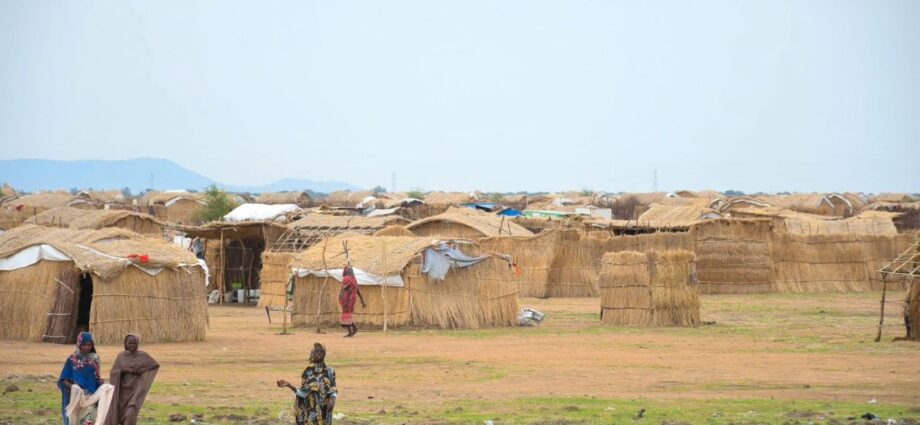
Security authorities in Rumbek, Lakes State, South Sudan, have arrested several Sudanese refugees over their failure to pay residency and immigration fees, with some detainees later transferred to Aweil in Western Bahr el Ghazal State, according to a statement by Sudanese refugees in the city.
The refugees said authorities demanded $90 from each person to complete immigration card procedures locally known as “Al-Maqrishan,” but many could not afford the fees because of their difficult economic circumstances.
The statement, seen by Darfur24, said the detainees hold cards issued by the UN Refugee Agency (UNHCR) but have faced difficulties completing additional residency procedures.
Those arrested include Saddam Dosa, head of the Sudanese community in Rumbek; Mohamed Ismail, representative of the Zaghawa Sultan; Sultan Hashim, Sultan of the Masalit; and Sultan Debenga, Sultan of the Tunjur. The refugees said the detainees were transferred to Aweil in preparation for deportation to Sudan.
The refugees said they were unclear about the reasons for the arrests, while authorities reportedly attributed the measures to failure to pay residency fees.
They appealed to the South Sudanese government and international and human rights organizations to intervene urgently to secure the detainees’ release, waive the fees, and ensure that Sudanese refugees are treated according to their legal status.
They also urged authorities to consider the difficult humanitarian and economic conditions facing thousands of Sudanese refugees in South Sudan.
The war in Sudan, which began in April 2023, has driven large numbers of people into neighboring countries, including South Sudan, which has received hundreds of thousands of Sudanese fleeing the conflict.
UNHCR and the International Organization for Migration have reported that more than one million refugees, returnees and new arrivals have crossed into South Sudan since the war began.
Many Sudanese have settled outside formal refugee camps in major cities including Juba, Rumbek, Aweil and Wau, where they face high living costs, limited access to services and scarce employment opportunities.
Humanitarian organizations have repeatedly warned that funding shortages are worsening conditions for refugees in South Sudan, affecting access to food, healthcare, shelter and protection services.