Exclusive, April 03 (Darfur24)
An official from Médecins Sans Frontières (MSF) has warned that severe funding shortages and restricted humanitarian access are undermining efforts to deliver life-saving assistance across Sudan, as conflict continues to disrupt essential services and expose civilians—especially women—to escalating risks.
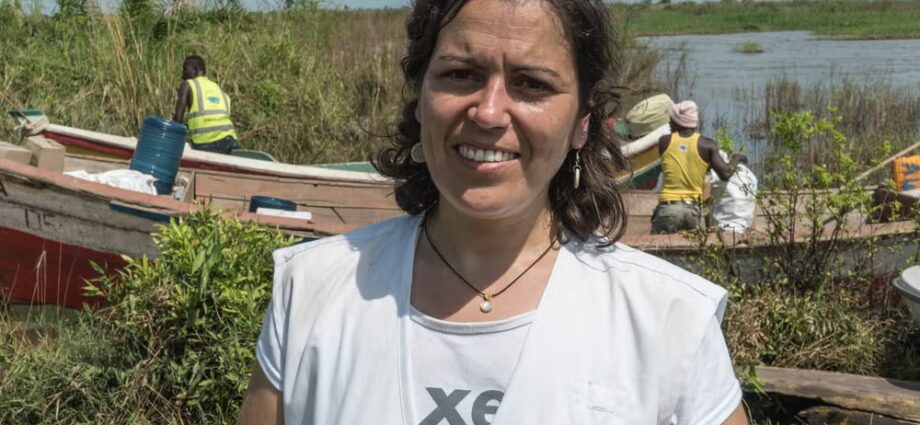
In an exclusive interview with Darfur24, Esperanza Santos, MSF Emergency Manager, said the humanitarian response remains far below what is needed, with limited resources constraining the ability of aid organizations to expand services and reach affected populations.
“One of the major challenges is funding. The humanitarian response remains insufficient, and the lack of funding is limiting services, capacity, and the ability of humanitarian actors to respond effectively,” Santos said.
She stressed that funding is not only critical for sustaining operations but also for enabling access to remote and conflict-affected areas, where needs are often most acute.
However, Santos highlighted that access itself remains one of the most significant obstacles. Humanitarian organizations face a combination of bureaucratic restrictions, insecurity, and, in some cases, deliberate obstruction by parties to the conflict.
According to Santos, large areas of the country have remained inaccessible for extended periods, limiting the ability of aid agencies to assess needs and provide assistance.
“There are areas that have been inaccessible for long periods. Although access has improved in some places, many others are still out of reach, severely limiting the response,” she added.
The constraints on access and funding come amid a broader collapse of essential services, particularly in conflict-affected regions. Santos warned that women are among the most affected, facing compounded risks due to both insecurity and the breakdown of healthcare systems.
“Women are at the center of this conflict and are disproportionately affected. But the impact goes beyond violence—essential services such as maternal healthcare and preventive care during pregnancy are also severely disrupted,” she said.
She noted that the disruption of healthcare services has left many women without access to basic and life-saving care, increasing their vulnerability.
“This means women are facing multiple, overlapping risks—not only from violence, but also from the collapse of basic healthcare services,” Santos added.
MSF continues to operate medical programs in Sudan despite the challenges, but Santos emphasized that without improved access, increased funding, and stronger guarantees for humanitarian operations, the ability to respond to growing needs will remain severely constrained.
She called for urgent action to ensure that aid can reach vulnerable populations safely and without hindrance, warning that continued restrictions risk deepening the humanitarian crisis across the country.