Tawila, February 21 (Darfur24)
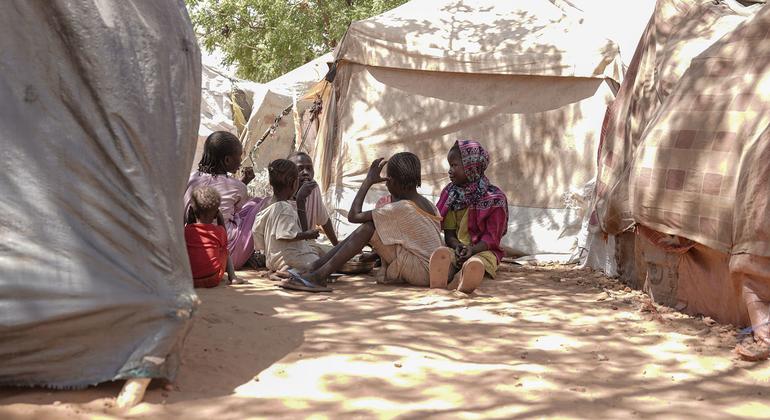
Humanitarian workers said on Saturday that more than 1,300 children displaced from El Fasher have arrived at camps in Tawila locality in North Darfur state after becoming separated from their families amid ongoing conflict and mass displacement.
Hundreds of thousands fled El Fasher following its takeover by the Rapid Support Forces in late October, an offensive accompanied by widespread abuses that a United Nations report said bore the hallmarks of genocide.
Aid workers told Darfur24 that approximately 1,300 children displaced to Tawila are currently without parental care or have lost family members during the violence, noting that the figure reflects only those arriving from El Fasher.
A source from the National Organization for the Protection of Children confirmed the estimate, explaining that most of the affected children are staying with foster families inside displacement camps but are facing extremely difficult conditions due to limited care services and shortages of humanitarian assistance.
On November 27, 2025, the Norwegian Refugee Council announced it had registered at least 400 children who fled El Fasher alone and reached Tawila. However, field teams believe the actual number is significantly higher.
The Tawila area, controlled by the Sudan Liberation Movement, has become one of Sudan’s largest displacement hubs, currently hosting an estimated 665,000 displaced people, most of them from El Fasher.
A source at UNICEF told Darfur24 that the number of children separated from their families in Tawila camps had already exceeded 1,000 by the end of January, warning that the figure is expected to rise as fighting continues across North Darfur.
The source said local partners are working to identify separated children and reunite them with relatives where possible, despite funding constraints and operational challenges.
In a report issued on February 19, the United Nations Independent International Fact-Finding Mission on Sudan said the Rapid Support Forces carried out a coordinated campaign of destruction against non-Arab communities in and around El Fasher, documenting acts that could constitute genocide.
Separately, the Office of the United Nations High Commissioner for Human Rights reported on February 13 that more than 6,000 people were killed during the first three days of the RSF assault on El Fasher, with an additional 4,400 deaths recorded during the same period and over 1,600 civilians killed while attempting to flee the city.