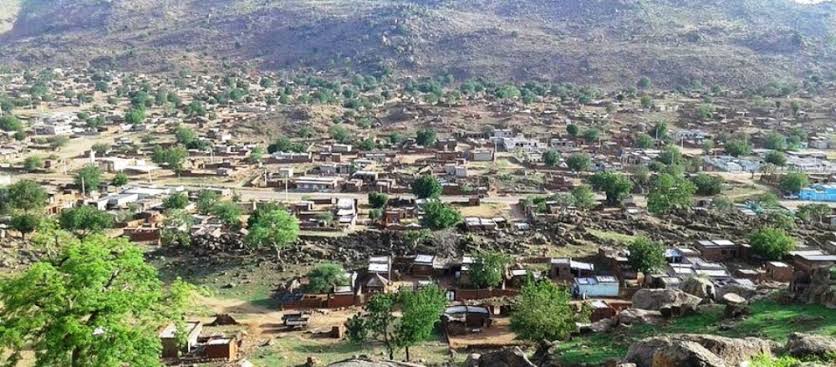
Port Sudan, February 06 (Darfur24)
The United Nations Office for the Coordination of Humanitarian Affairs (OCHA) has expressed grave concern over reports of deadly drone strikes in Kadugli, the capital of South Kordofan state, warning of mounting civilian harm and worsening humanitarian conditions.
According to the Sudanese Doctors Network, at least 15 civilians, including seven children, were killed in strikes on residential neighborhoods on Tuesday. Medical sources reported that a health center was hit while patients were receiving treatment.
OCHA said the incidents are part of a series of attacks this week that have targeted civilian areas and medical facilities in Kadugli, causing further casualties and placing additional strain on already fragile health services.
Local sources say more than half of the city’s medical facilities have stopped operating after months of siege conditions, repeated bombardment, and critical shortages of supplies.
The violence comes as the humanitarian situation in Kadugli continues to deteriorate rapidly. Famine conditions have been reported in the city, food prices have surged, and malnutrition is worsening, while key humanitarian supply routes remain closed.
Speaking during a daily press briefing, UN spokesperson Stéphane Dujarric stressed the obligation to protect civilians, medical facilities, and humanitarian workers at all times, and to ensure they are not targeted under any circumstances. He also underscored the need for humanitarian aid to reach those in need quickly, safely, and without obstruction.
This week, UN Humanitarian Coordinator for Sudan Denise Brown met displaced families at Al-Afad camp in Dabba, Northern State, where she heard firsthand accounts of violence, fear, and loss after more than a thousand days of war.
OCHA renewed its call for an immediate end to violence and urged increased funding to sustain life-saving operations. The UN’s humanitarian response plan for Sudan this year requires $2.9 billion to assist more than 20 million people, roughly two out of every five people in the country, who urgently need support.