Geneva, September 17 (Darfur24)
The United Nations has accused South Sudan’s leaders of looting billions of dollars in public funds while most of the country suffers a deepening food crisis.
In a report released Tuesday, the UN Commission on Human Rights in South Sudan said that since independence in 2011, the state has been “captured by a predatory elite” that has institutionalized corruption and diverted revenue for personal gain.
“Corruption is killing South Sudanese,” the commission said, warning that government failures have left international donors to provide food, healthcare, and education.
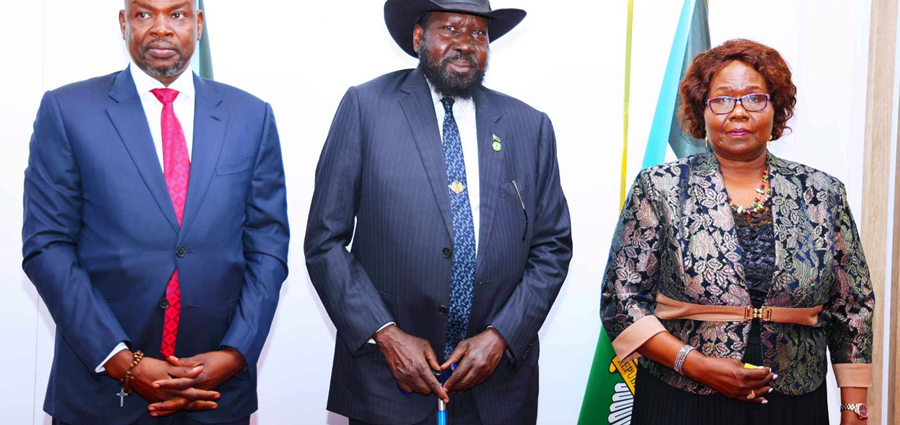
The 101-page report cited the government’s oil-for-roads programme, in which $1.7 billion of $2.2 billion earmarked for projects between 2021 and 2024 was unaccounted for. Ninety-five percent of the roads remain unfinished. Investigators linked the scheme to companies tied to Benjamin Bol Mel, a close ally of President Salva Kiir and now the second vice president.
Another scheme allegedly funneled tens of millions through “irregular” e-services such as electronic visas, benefiting politically connected companies like Crawford Capital Ltd.
South Sudan’s government rejected the findings, calling the report an attempt “to smear the good image” of the country and its leadership.
The UN said the corruption crisis is worsening human rights conditions and undermining stability, as 76 of the nation’s 79 counties are gripped by severe food insecurity.
Political tensions rising
The allegations come amid escalating turmoil. Last week, Justice Minister Ruben Madol announced that suspended First Vice President Riek Machar had been charged with murder, treason, and crimes against humanity over militia attacks on federal forces in March.
Machar and Kiir’s rivalry has defined South Sudan’s politics for years, sparking a civil war in 2013 that killed an estimated 400,000 people and displaced millions before a 2018 peace deal created a unity government.
That fragile arrangement is now unraveling, with renewed clashes in Upper Nile State and the arrest of several senior figures from Machar’s party.
Analysts warn that with corruption deepening, hunger worsening, and politics on edge, the country risks sliding back into full-scale conflict.