Agencies, September 23 (Darfur24)
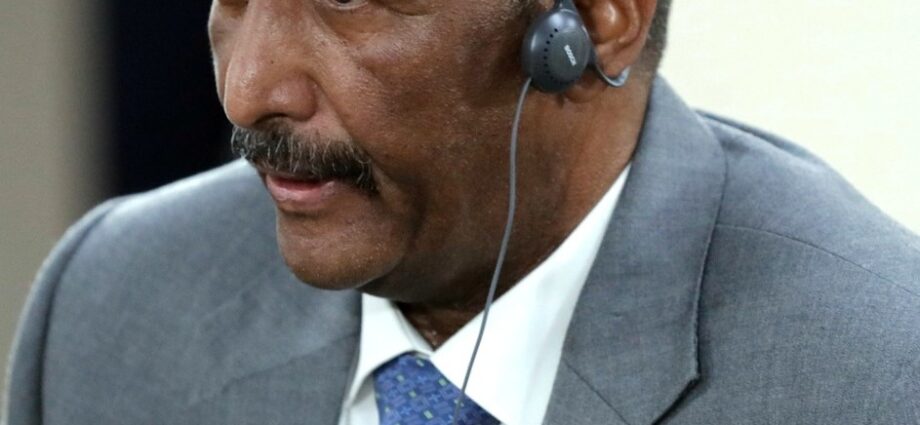
The United States has not yet issued an entry visa to Sudanese Sovereignty Council Chairman and army commander Gen. Abdel Fattah al-Burhan, days before he is due to attend the United Nations General Assembly in New York, Reuters reported.
Sudan’s ambassador to the UN, Al-Harith Idris Al-Harith, told Reuters that Washington had not issued visas for Burhan or members of his official delegation.
A Sudanese diplomatic source and a Western analyst familiar with discussions between US and Sudanese officials said visa issuance appeared linked to Burhan’s position on a US-backed proposal for a 90-day ceasefire.
The proposal was put forward by Massad Boulos, the US senior adviser for Arab and African affairs. The Sudanese army has expressed reservations about the proposal since it was presented during the summer.
In a letter dated September 21 to UN Secretary-General António Guterres, Ambassador Al-Harith called for urgent intervention with US authorities to facilitate visas for Burhan and his delegation.
The letter said the Sudanese delegation had fulfilled the requirements for participation in the General Assembly’s high-level week. Burhan is scheduled to lead the delegation and deliver Sudan’s address to the 81st session of the General Assembly on Thursday, September 24.
The Sudanese government argued that continued failure to issue the visa could prevent the head of a UN member state from personally attending the General Assembly and representing his country.
UN Secretary-General spokesman Stéphane Dujarric said Guterres was “deeply concerned” about the situation, adding that the UN Secretariat had raised the matter with US authorities and remained in contact with them.
The visa dispute comes amid heightened tensions between Washington and Sudan’s military over efforts to end the war, including the proposed 90-day ceasefire and a US initiative to expand the existing arms embargo on Darfur to cover all of Sudan.
In an article published Monday by Foreign Policy, Burhan said a previous ceasefire had allowed the Rapid Support Forces and their supporters to regroup, and rejected what he described as external dictates over the war.