El Fasher, June 22 (Darfur24)
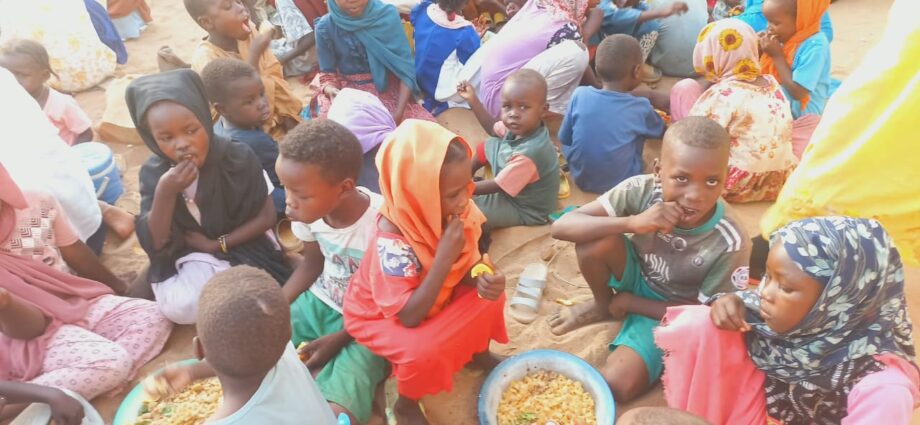
Hundreds of families have fled villages in North Darfur’s northern countryside to El Fasher in recent weeks, citing worsening humanitarian conditions, food shortages, and limited access to aid, displaced residents told Darfur24 on Sunday.
The arrivals are coming from areas including Tora, Wana, Khazan Kalkal, and surrounding villages, in what residents describe as a growing wave of reverse displacement toward El Fasher.
According to displaced people, deteriorating living conditions in rural areas have forced many families to seek food and basic services in the city despite the ongoing challenges there.
Mubarak Adam Ismail, a community leader from El Fasher’s Al-Masani’ neighborhood, said the city has recently received hundreds of new arrivals, including people who had previously left El Fasher but later returned after finding conditions in the northern countryside unsustainable.
He said the Norwegian Refugee Council had registered many of the newly arrived families and provided cash assistance to some of them.
Although humanitarian conditions in El Fasher remain difficult, Ismail noted that the situation is relatively more stable than in surrounding rural areas. However, he said many displaced families complain that food assistance remains insufficient.
Halima Al-Saadia, who recently arrived from Wana, told Darfur24 that many families survive on just one meal a day because of limited food distributions.
A source from the Malm Darfur for Peace and Development Organization confirmed a significant increase in the number of returnees and displaced people arriving in El Fasher. The source said the organization is operating its community kitchens at full capacity but is struggling to meet growing demand.
According to the source, the organization runs a permanent kitchen in the Abu Shouk area and a mobile kitchen serving returnee communities, providing meals to around 6,000 people, including approximately 1,000 children.
The organization appealed to international humanitarian agencies to urgently increase support for returnees and displaced families arriving in the city.
El Fasher has experienced repeated waves of displacement since the outbreak of the war. According to displacement figures, more than 1.3 million people were forced to flee the locality during the conflict. The city later saw a gradual return of some residents after the Rapid Support Forces and allied forces took control of El Fasher in October, following an 18-month siege.