Nyala, May 31 (Darfur24)
The RSF-backed Founding Government (TASIS) on Sunday announced the formation of a Security and Defense Council tasked with overseeing security policy and laying the groundwork for a new national army built around forces aligned with the coalition.
The move is part of broader efforts by TASIS to establish governing institutions in areas under its control amid the continuing war in Sudan.
In a statement, the Presidential Council said the new body has been created to strengthen security and stability, combat crime, protect Sudan’s borders, and safeguard civilians.
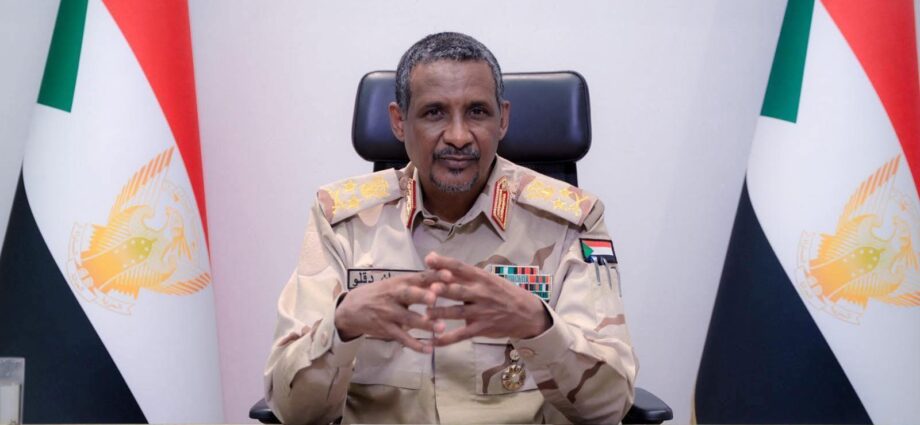
The council will be chaired by Presidential Council head and Rapid Support Forces commander, Mohamed Hamdan Dagalo, with Abdel Aziz al-Hilu, leader of the Sudan People’s Liberation Movement-North, serving as deputy chair.
Its membership includes members of the Presidential Council, regional governors, the prime minister, and the ministers responsible for defense, justice, foreign affairs, interior, and finance, in addition to the attorney general, the police chief, and senior security and military officials.
The TASIS—comprising the Rapid Support Forces, the SPLM-North, and allied armed movements—recently established a parallel government in territories under its control, including most of Darfur, West Kordofan, and parts of North and South Kordofan.
According to the statement, the council will be responsible for formulating national security and defense strategies, developing policies related to international peace and security, and coordinating efforts to combat terrorism, organized crime, cross-border criminal networks, and irregular migration.
It will also oversee plans to establish a new national army with a new military doctrine. The proposed force would be built around the Rapid Support Forces, the Sudan People’s Liberation Army, and armed movements that signed the Sudan Founding Charter.
The council’s mandate further includes approving plans for the creation of new police, security, and intelligence institutions, and issuing binding decisions on national security, defense, and civilian protection.