Kadugli, April 24 (Darfur24)
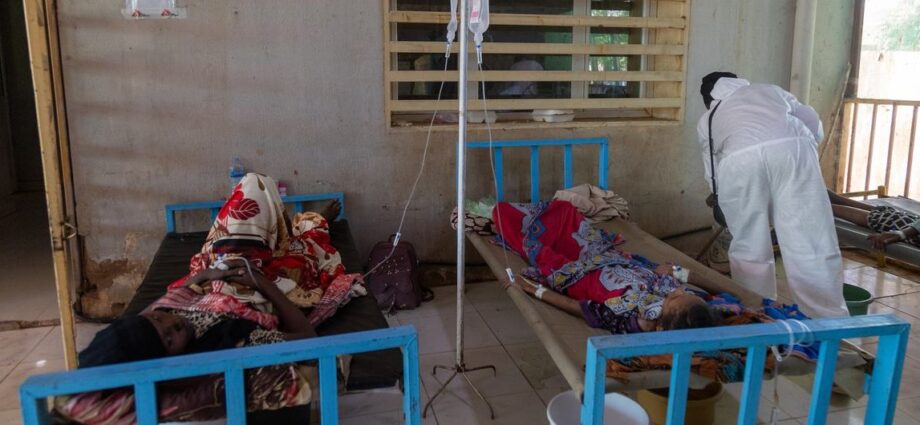
At least 11 tuberculosis patients have died in Kadugli, the capital of South Kordofan State, during the first quarter of this year, amid a near-total collapse of healthcare services and the prolonged closure of the city’s specialized TB unit, medical sources told Darfur24.
A medical source said the deaths are directly linked to severe shortages of treatment. Available medications are limited to partial dual therapy and are in insufficient quantities for both adults and children. The essential first-line quadruple therapy remains unavailable, depriving patients of a realistic chance of recovery.
The crisis extends beyond medicine shortages. Environmental and climatic conditions, coupled with the absence of effective public health interventions, are contributing to the spread of the disease.
The source also revealed that cesarean sections have not been performed in Kadugli since November, due to a lack of anesthesia supplies and the displacement of obstetricians and gynecologists. As a result, pregnant women are forced to travel long distances through unsafe and rugged terrain to states such as North Kordofan and White Nile to access surgical care.
Kidney dialysis services have also been suspended since last year, following staff displacement, shortages of essential solutions, and recurring power outages. Between 10 and 11 patients are currently left without any viable treatment options.
Moreover, the city’s drinking water is reported to be contaminated and high in mineral content, increasing the risk of disease transmission.
Healthcare capacity has been further strained by a severe shortage of personnel. According to the source, only one general practitioner, Dr. Ibrahim Kamil, remains in Kadugli. He has returned to work voluntarily after years away, supported by a small number of health workers.
Low salaries—ranging between 30,000 and 150,000 Sudanese pounds, with a maximum of 192,000—have made it difficult to retain medical staff, as they fall far short of covering basic living costs.
Although some facilities, including the referral hospital, children’s hospital, and a model health insurance center, remain open, the deterioration in service quality has driven patients away. The children’s hospital is an exception, seeing relatively higher attendance due to the distribution of food assistance.
Many residents are now forced to seek care at expensive private clinics, putting treatment out of reach for the most vulnerable and placing lives at increasing risk.