El Fasher, December 1 (Darfur24)
Displaced residents who recently fled El Fasher in North Darfur said on Sunday that civilians still trapped inside the city are facing an acute shortage of drinking water following the shutdown of private wells.
Thousands of people remain in and around El Fasher after the Rapid Support Forces (RSF) seized control of the city on October 26.
Those who managed to escape told Darfur24 that the humanitarian situation for civilians left behind has deteriorated sharply, with the water crisis becoming one of the most pressing concerns.
A former water-sector employee who fled the city said El Fasher has suffered from a severe water shortage since January, after widespread destruction of water sources and supply lines during RSF attacks on the Shaqra and Qulu areas west of the city.
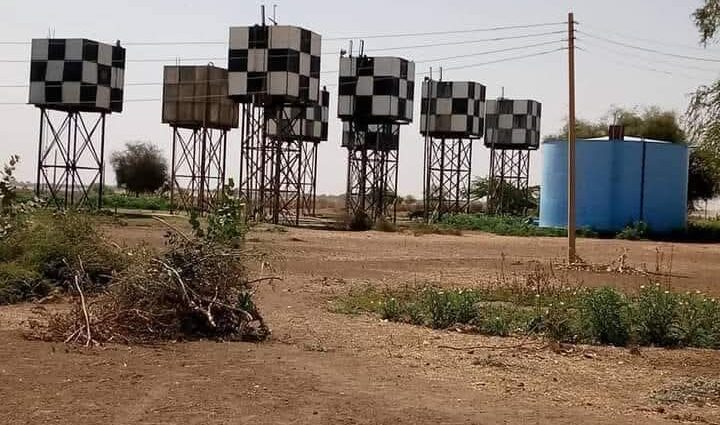
He added that the situation worsened further when the city’s main urban water station was shut down following the RSF targeting last June, effectively disabling the four principal water sources serving El Fasher.
According to the source, private wells had been the only remaining lifeline for residents, but these too ceased operations as the RSF advanced into Al-Furusiyah, Daqaqai, and the Abu Shouk camp before taking full control of the city.
He explained that the lack of drinking water stems from multiple factors, including the mass flight of residents, among them private well owners, and the kidnapping of several key water officials, including the director of the water sector and the director of the General Administration of Urban Water. These individuals oversaw El Fasher’s water services, and their disappearance has compounded suffering for those who remain trapped.
Sources in the Qarni area near El Fasher said the RSF has appealed to private well owners who fled to RSF-held areas in Mellit, Kutum, and Kabkabiya, urging them to return to help restore water services inside the city.
The El Fasher Resistance Committees recently issued an urgent appeal warning of a rapidly worsening humanitarian situation. In a statement last week, the committees said besieged civilians are facing severe shortages of food, drinking water, and healthcare.