Al-Daein, November 10 (Darfur24)
Farmers and herders in East Darfur have expressed growing concern that the ongoing shortage of cash is driving down prices for crops and livestock during the current marketing season.
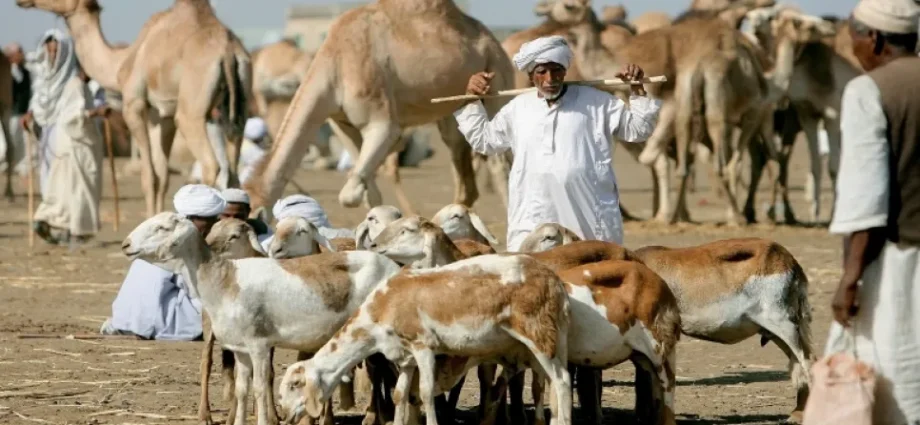
Livestock owner Al-Dahi Ishaq told Darfur24 that animal prices have fallen to levels that are no longer profitable, attributing this to the decline in buyers following the suspension of livestock exports due to the war.
He explained that the halt of export operations severely disrupted trade in the livestock sector, and the liquidity crisis that followed has further weighed down market activity across Darfur.
According to livestock market prices monitored in Asalaya and Abu Matariq, calves are currently sold at between 300,000 and 500,000 Sudanese pounds, butcher cows at 600,000 to 700,000 pounds, large bulls at 800,000 to 900,000 pounds, while the price of a milking cow ranges between 900,000 and 1,300,000 pounds.
Another livestock trader, Mohamed Ali, said they have resorted to indirect methods to obtain cash, such as purchasing commodities like flour and sugar through the Bank of Khartoum’s Bankak application and then reselling them for cash at reduced rates.
He noted that many livestock owners refuse to accept payments through banking applications, insisting on cash transactions only.
Crop traders are facing similar challenges. Adam Al-Nour, a peanut trader in Al-Daein, said merchants are forced to sell produce below market value to secure liquidity. Some have turned to pressing peanuts to produce cooking oil to offset the halt in exports, but rising prices of empty plastic jerrycans, reaching 25,000 pounds in the Abu Matariq market, have made production difficult.
He added that the shortage of burlap sacks has also created major complications for farmers and traders, as supplies from northern Sudan have stopped, while plastic sacks imported through northern and eastern states remain inaccessible due to the conflict.
Al-Daw’ Abkar, a farmer from Abu Matariq, said agricultural markets in East Darfur are witnessing low price returns despite high production costs. He noted that the export ban imposed last year has continued to depress prices, though there is limited hope for trade routes with South Sudan to reopen.
In 2024, the Rapid Support Forces issued a decision prohibiting the movement of crops, livestock, and other goods from RSF-controlled areas to regions under army control, affecting commodities including gum arabic and other major agricultural products.