Geneva, October 7 (Darfur24)
The UN Human Rights Council on Monday voted to extend the mandate of the independent fact-finding mission in Sudan for an additional year, despite objections from the Sudanese government.
The resolution passed with 24 votes in favor, 11 against, and 12 abstentions. It condemns the grave human rights violations occurring in Sudan and calls for an immediate end to the war, accountability for perpetrators, an end to impunity, and support for a civilian-led political transition.
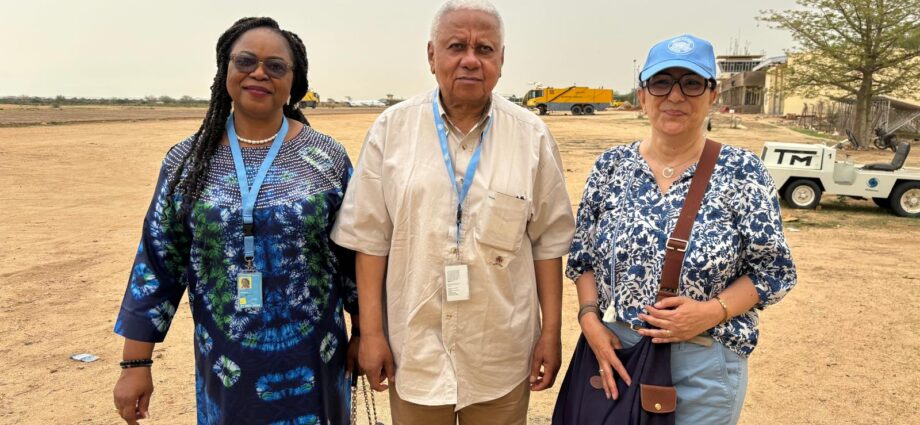
The Human Rights Council established the mission in October 2023 to investigate violations of international human rights and humanitarian law, as well as crimes related to the conflict in Sudan. The mission is led by former Tanzanian judge Mohammed Chande Osman, with Nigerian lawyer Joy Ezeilo and Jordanian Mona Rishmawi, a former UN official, as members.
Sudan’s Permanent Representative to Geneva, Hassan Hamid Hassan, strongly objected to the resolution. He argued that Sudan already hosts a full country office of the Office of the High Commissioner for Human Rights (OHCHR), receives the designated human rights expert and his assistants, and is monitored by the UN Security Council’s Panel of Experts, whose reports cover both human rights and humanitarian issues.
He described the decision as “an infringement on the sovereignty of the state and its institutions”, and “a challenge to the competence, capacity, and integrity of the Sudanese judiciary.”
In contrast, the Emergency Lawyers Group welcomed the extension, saying it comes amid escalating human rights abuses and an unprecedented humanitarian crisis caused by the ongoing conflict — including killings, torture, sexual violence, mass displacement, and the collapse of basic services and infrastructure.
The group expressed regret over Sudan’s vote against the resolution, calling it “a new setback to international justice efforts” and evidence of the government’s continued evasion of its international obligations.
It added that extending the mandate represents a vital step toward strengthening international accountability, ensuring the continued collection of evidence, and paving the way to hold those responsible for crimes and serious violations against civilians to account.