Khartoum, September 10 (Darfur24)
The Justice and Equality Movement (JEM) and the Sudan Liberation Army – Transitional Council have called for broader representation in Sudan’s national dialogue committee, saying the process must include diverse political and social forces to achieve comprehensive solutions to the country’s crisis and end the war.
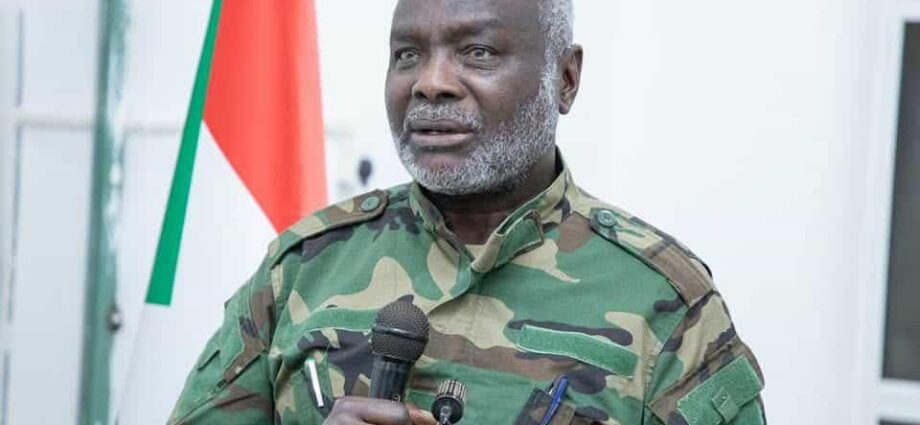
Hassan Ibrahim Fadl, deputy secretary of information and spokesman for JEM, led by Jibril Ibrahim, said the movement had no objection to the individuals currently serving on the dialogue committee but believed its membership should be substantially expanded to reflect Sudan’s diversity.
Speaking to Darfur24, Fadl said a committee tasked with a national dialogue should include people from different backgrounds and areas of expertise, as well as representatives from Sudan’s regions, to ensure the country’s diversity is fairly represented.
He said JEM had not yet received an official invitation to join the committee but planned to consult with political forces, particularly the Democratic Bloc, to develop a unified position on the dialogue, its mechanisms and conditions for success.
Fadl also called for the participation of groups that oppose the dialogue, warning that excluding political forces, regardless of their size or influence, could undermine the outcome and limit the process’s ability to address Sudan’s crisis.
He said a dialogue that fails to help end the war and change conditions on the ground would be “pointless,” particularly as large areas of the country and their political and social forces remain unable to participate.
“Dialogue,” by its nature, he said, should bring together opponents and people with differing views. A process that excludes those differences would amount to “a dialogue of the deaf or a dialogue of the self.”
Fadl expressed regret over the refusal of some political forces to participate, saying their concerns should be addressed through communication and clarification.
Meanwhile, the Sudan Liberation Army – Transitional Council, led by Sovereignty Council member Salah Rasas, said Sudanese-Sudanese dialogue was the best path toward addressing the national crisis and achieving political solutions that meet the Sudanese people’s aspirations for security and stability.
The movement’s spokesman, Amin Ishaq Zakaria, told Darfur24 that the group rejects any process that could lead to Sudan’s division or undermine its independent national decision-making.
Zakaria called for the dialogue to include social and sectoral groups, including professionals, displaced people and refugees. He said the process should prioritize the national interest, avoid political polarization and unite Sudanese around a national project that preserves the country’s unity and sovereignty.