Khartoum, September 09 (Darfur24)
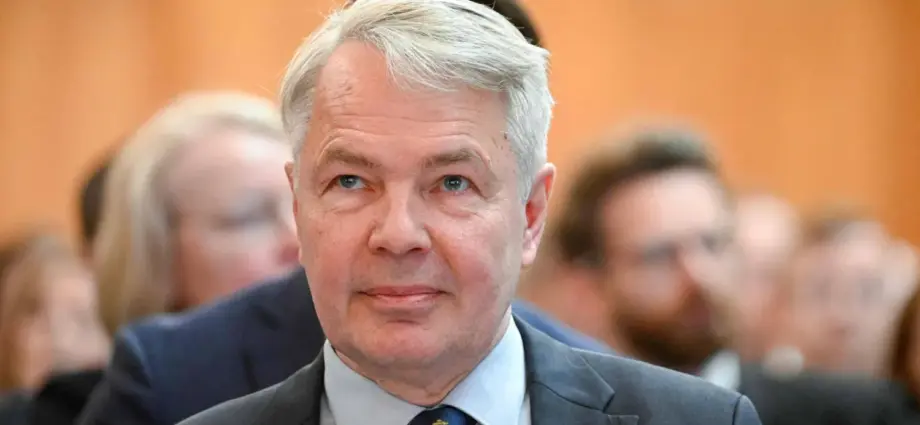
UN Secretary-General’s Personal Envoy to Sudan, Pekka Haavisto, continued talks in Khartoum on Tuesday as envoys from the Quintet Mechanism arrived in the capital for political consultations with Sudanese stakeholders.
The mechanism brings together the United Nations, the African Union, the Intergovernmental Authority on Development (IGAD), the European Union and the League of Arab States. Its mission in Khartoum runs from September 8 to 10 and aims to hear Sudanese assessments of the situation and support an inclusive political process leading to a democratic civilian government.
Haavisto met with representatives of the mechanism and UN agencies. The envoys are also scheduled to meet political and civil forces as part of efforts to coordinate international and regional support for a comprehensive, Sudanese-owned political process.
Haavisto arrived in Khartoum last Friday and has since met Transitional Sovereignty Council Chairman and Army Commander Abdel Fattah al-Burhan, other government officials, and political and civilian leaders.
His discussions have focused on de-escalation and civilian protection, as well as the possible release and exchange of detainees. He also discussed with Burhan efforts to facilitate the exchange of prisoners and civilian detainees in cooperation with the International Committee of the Red Cross.
Haavisto has stressed that dialogue is essential to achieving sustainable peace, while the United Nations has called for a negotiated settlement that reflects the democratic aspirations of the Sudanese people.
Sudanese Congress Party Calls for Neutrality
Meanwhile, Sudanese Congress Party leader Omar al-Daqir welcomed the arrival of the Quintet envoys, describing it as an opportunity to strengthen coordination among international and regional actors.
However, he urged the mechanism to remain a facilitator of the political process rather than determine its rules, agenda or participation criteria.
Al-Daqir called for closer coordination among international initiatives and said efforts should advance three interconnected tracks simultaneously: a ceasefire, the humanitarian response and the political process.
He also urged the mechanism not to support any dialogue process that excludes parts of Sudan, warning against allowing the political process to adapt to the country’s territorial divisions created by the war.
Al-Daqir said ending the war and addressing the humanitarian crisis should remain the immediate priorities. He called for a comprehensive, Sudanese-led process in which international and regional actors provide facilitation rather than oversight, with a humanitarian truce creating conditions for broader political dialogue.