Khartoum/Port Sudan, April 16 (Darfur24)
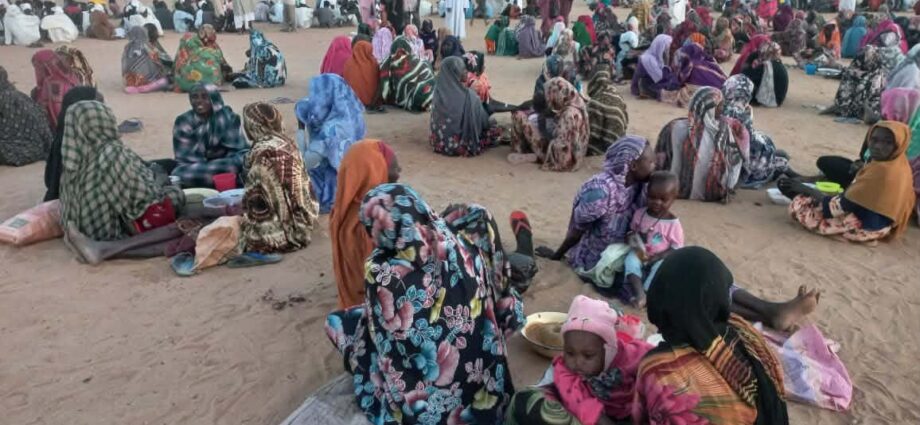
Nearly 4 million Sudanese have returned to their areas of origin since the outbreak of war in April 2023, even as about 8.9 million people remain internally displaced and 34 million require humanitarian assistance, according to the International Organization for Migration (IOM) and United Nations officials.
In a new statistical summary, the IOM described Sudan as facing the world’s largest displacement crisis, with more than 15 million people—around one-third of the population—forced to flee their homes. Displacement peaked in January 2025 at 11.58 million before declining by 23% due to return movements, though figures remain at historically high levels.
Children account for nearly 4.91 million of the displaced, while about 350,000 people have been newly displaced over the past six months due to escalating violence in El Fasher, North Darfur, Kordofan, and Blue Nile.
At the same time, around 3.99 million people have returned to their homes across nine states, most from within Sudan, largely due to relatively improved security conditions. However, 60% of returnees found their homes partially or completely destroyed, facing severe shortages of basic services.
Marking three years since the conflict began, UN Resident and Humanitarian Coordinator in Sudan, Denise Brown, warned that the country is experiencing a humanitarian crisis of “enormous scale,” with civilians bearing the brunt of the war.
She said widespread destruction has affected homes, markets, hospitals, and schools, while drone attacks have become a “daily reality” in populated areas, killing civilians and damaging infrastructure. Millions of families have been repeatedly displaced, losing livelihoods as communities fragment.
Brown also highlighted increasing violations against women and girls, including widespread sexual violence, and stressed the urgent need to protect civilians and ensure safe, unhindered humanitarian access.
UN Emergency Relief Coordinator Tom Fletcher described the anniversary as a “grim” reminder of global failure to respond adequately, warning of worsening hunger, severe child malnutrition, and lack of access to education.
Meanwhile, the World Food Programme reported that millions of Sudanese are struggling daily to secure food and basic needs, with families resorting to extreme coping mechanisms. Despite insecurity, aid agencies have reached about 3.5 million people monthly, particularly in Darfur and Kordofan, where famine conditions have been confirmed.
Humanitarian officials reiterated urgent calls for an immediate cessation of hostilities, increased funding, and stronger international action to prevent further deterioration of what they describe as one of the world’s most severe and underfunded crises.