Khartoum, January 05 (Darfur24)
Cross-border trade between Libya and Sudan has partially resumed through the border triangle in North Darfur, according to multiple local sources, ending a months-long halt in commercial activity.
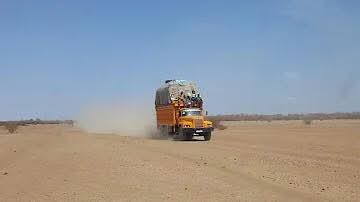
A trader from the town of Al-Malha told Darfur24 that dozens of traders now travel weekly to the Libyan city of Al-Kufra via the Triangle Road to bring goods and fuel into North Darfur, after the Rapid Support Forces (RSF) took control of El Fasher.
He explained that small vehicles transport goods along the Kufra–Rabiana road, about 150 kilometers east of Kufra, before entering Sudan from the eastern side of the border triangle linking Sudan, Libya, and Egypt. The convoys then proceed to Al-Malha using rugged desert routes.
According to the trader, the journey takes more than four days due to fears of drone strikes, with vehicles traveling at widely spaced intervals to avoid being targeted.
“Various goods are being transported, including sugar, flour, soft drinks, drinking water, medicines, spare parts for Land Cruiser vehicles, and satellite communication devices such as Starlink,” he said.
Another trader from Mellit told Darfur24 that some vehicles take an alternative desert route toward Badia al-Zarq, reaching Mellit within six days, as drivers prefer to travel at night to reduce the risk of drone attacks.
He said the arrival of goods from Libya has helped ease high prices in Mellit after more than a year of disruption.
“Although large commercial trucks are still not operating and transport is limited to small vehicles, the impact on the market is clear,” he said. “Prices for many items—especially pasta, rice, sugar, flour, and soft drinks—have declined.”
In a related development, a trader said the partial reopening of border trade with Libya has also improved the availability of gasoline in parts of North Darfur.
He noted that fuel prices in Mellit, Al-Malha, Kutum, and Kabkabiya rose sharply throughout 2025 due to the high cost of transport from Chad and South Sudan, but began to fall after limited cross-border trade resumed in November and December.
Trade and refugee movement across the Libyan-Sudanese border near the triangle leading to Kufra had come to a halt following the abduction of three Libyan citizens last April, prompting Libyan authorities to tighten controls amid public pressure.
Commercial activity and cross-border movement also stopped after the Rapid Support Forces took control of the border triangle last June, following the withdrawal of the Sudanese army and allied joint forces.