Geneva, October 23 (Darfur24)
Four United Nations agencies — the International Organization for Migration (IOM), the UN Refugee Agency (UNHCR), UNICEF, and the World Food Programme (WFP) — have issued a joint appeal for urgent international action to address Sudan’s deepening humanitarian crisis.
In a statement released on Wednesday, the agencies said more than 900 days of fighting, widespread human rights violations, famine, and the collapse of vital services have left millions of people on the edge of survival, particularly women and children.
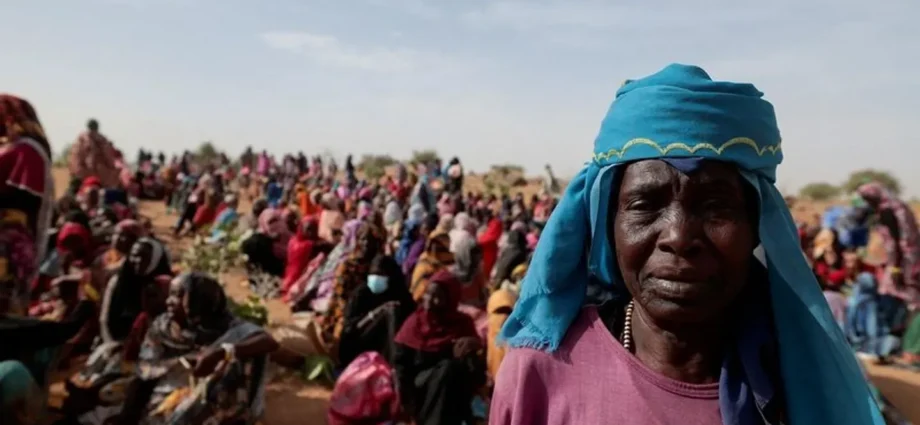
During recent visits to Sudan, senior officials from the four agencies witnessed the widespread devastation across Khartoum, Darfur, and other conflict-hit areas. They reported that over 30 million people now need humanitarian assistance, including 9.6 million displaced and nearly 15 million children.
While fighting has eased in some areas, allowing 2.6 million people to return home, most returnees have found their houses destroyed and basic services unavailable. More than one million people have returned to Khartoum since early 2025.
“This scale of return to Khartoum is both a sign of resilience and a warning,” said Ugochi Daniels, IOM’s Deputy Director General for Operations. “People are coming back to a city still scarred by war, where homes are damaged and essential services barely exist.”
The war has devastated education and health systems, leaving 14 million children out of school and pushing malnutrition rates to critical levels. Thousands of children are at risk of dying without urgent food and nutrition aid.
UNHCR Deputy High Commissioner Kelly T. Clements, who recently visited displacement sites in Port Sudan, described Sudan as facing “one of the worst protection crises in decades,” with millions displaced and families fleeing under dire conditions.
In El Fasher, more than 260,000 civilians, including 130,000 children, have been trapped under siege for over 16 months, cut off from food, water, and healthcare. Similar conditions prevail in parts of the Kordofan states, where outbreaks of cholera and measles are spreading unchecked.
“Children are facing hunger, disease, and the collapse of essential services,” said Ted Chaiban, UNICEF Deputy Executive Director. “Families are doing everything to survive — their determination must be matched by urgent global action.”
The agencies warned that the 2025 Humanitarian Response Plan, valued at US$4.2 billion, is only 25 percent funded, threatening to halt life-saving programs. Despite this, humanitarian operations have reached 13.5 million people so far this year.
“Families returning to Khartoum urgently need food, water, and basic services — but I also saw hope,” said Valerie Guarnieri, WFP Assistant Executive Director. “We are working with local groups to help displaced and returning families rebuild their lives.”
The four agencies called for an immediate ceasefire, protection of civilians, unrestricted humanitarian access, simplified aid procedures, and urgent funding to sustain relief efforts.
They reaffirmed their commitment to continue working together to deliver life-saving aid and protection to children and families across Sudan, urging the international community to step up support.