Tripoli, September 29 (Darfur 24)
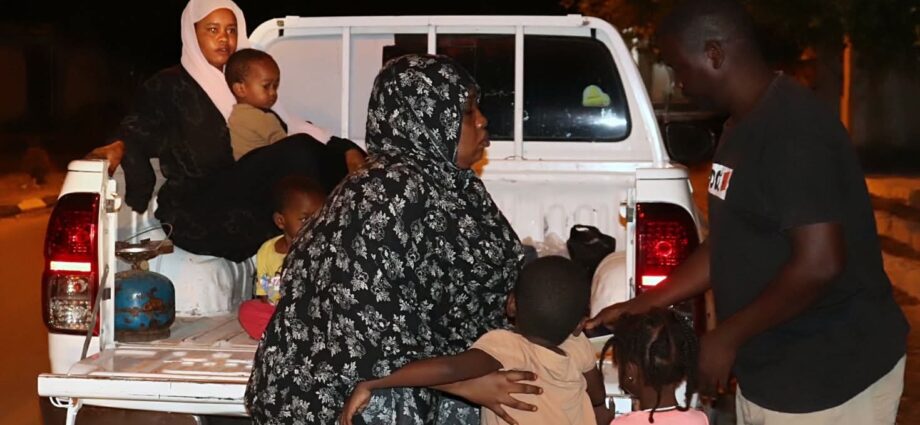
Sudanese refugees in Libya have voiced growing alarm over a large-scale arrest campaign launched this week by Libyan authorities in several cities, targeting hundreds of Sudanese, including women and children.
Mohammed Muhiuddin, a Sudanese refugee in the western municipality of Sabratha, told Darfur24 that police raided homes early Sunday morning and detained dozens of Sudanese families. He explained that the arrests followed popular demonstrations opposing the presence of foreigners, which have had serious consequences for Sudanese communities.

“Dozens of children were arrested with their families in Sabratha and transferred to inhumane detention facilities amid difficult humanitarian and security conditions,” he said. “We call on international and human rights organizations to urgently intervene to address the plight of Sudanese refugees fleeing the war.”
The Libyan Ministry of Interior confirmed in a statement that its security committee had carried out a large-scale operation in central Sabratha, resulting in the arrest of hundreds of “illegal immigrants” and legal action against property owners who housed them.
In Tripoli, eyewitnesses and sources told Darfur24 that the Illegal Immigration Department and police launched raids on Saturday night, arresting dozens of Sudanese refugees living along Street 10. Refugee Al-Nadhir Abu Ahmed said police closed roads, stopped buses and taxis, and raided homes. He added that many Sudanese families were later evicted by landlords for lacking valid residency permits.
“We cannot voluntarily return to Sudan because the Triangle border road is closed, crossing through Egypt is difficult without documents, and travel through Chad is costly and lengthy,” he explained.
According to the latest UNHCR statistics released this September, Libya hosts around 357,000 Sudanese refugees. These include 193,000 in Kufra, 80,000 in Tripoli, 10,000 in Benghazi, and thousands more in Misrata, Zawiya, Al-Jafara, Derna, Tobruk, and Jebel Akhdar.

Ismail Issa Ibrahim, a member of the Sudanese community in Libya, said the new measures aim to regulate the presence of foreigners but stressed that Sudanese nationals should be exempt due to the ongoing war. He noted that the embassy and community committees are working to secure detainees’ release and have freed hundreds so far.
He added that 89,000 Sudanese have applied for voluntary return from eastern and western Libya, but closed land routes—particularly the border triangle road—continue to complicate repatriation efforts.