El Geneina, September 15 (Darfur24)
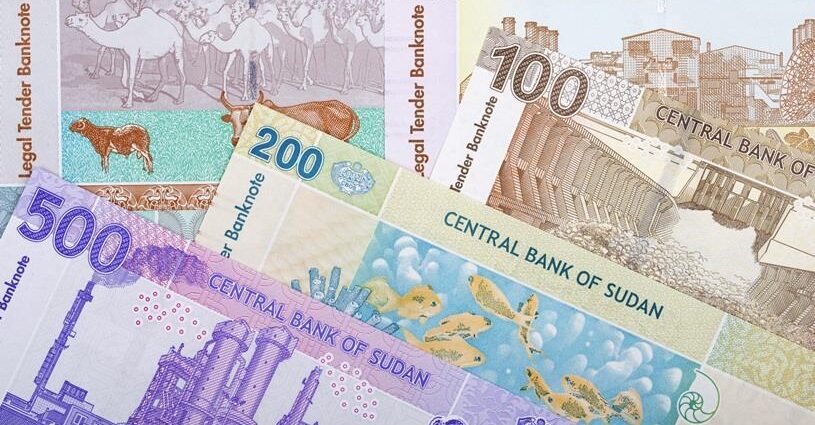
The city of El Geneina in West Darfur is grappling with turmoil in the foreign exchange market, as the Sudanese pound sharply plummets and dual exchange rates cause a severe cash shortage.
A Darfur24 correspondent touring Katkut Market, the city’s largest currency hub, found that traders now apply two separate rates for the pound—one for cash transactions and another for transfers via the Bankak app, operated by the Bank of Khartoum.
The Chadian franc has surged against the Sudanese pound over the past two years. In May 2023, 1,000 francs traded at about 6,000 pounds, doubling to 12,000 by May 2024 and soaring to 24,000 by September 2025. Yet, when exchanged electronically through the Bankak app, the same amount costs 29,000 pounds—fueling public frustration and mistrust, with citizens accusing traders of profiteering.
The widening gap has fueled demand for paper currency, aggravating an already severe shortage of banknotes. The cash crunch has brought commercial activity in El Geneina to a near standstill, with residents reporting collapsing purchasing power and growing fears of further spikes in exchange rates.
Humanitarian agencies adjust

Darfur24 has learned that a foreign humanitarian organization inadvertently worsened El Geneina’s cash shortage by withdrawing large sums of Sudanese pounds from the local market to fund direct assistance programs. The move created a serious gap in currency circulation between merchants and citizens.
The Sudanese Agency for Relief and Humanitarian Operations in West Darfur responded by directing aid organizations to provide cash assistance in Chadian francs instead of Sudanese pounds.
The Agency’s director, Dwalbeit Adam Yaqoub, said the move is intended to stabilize the market and regulate financial transactions in the city.
Counterarguments from the market
Yet, some local experts reject the idea that aid agencies are the main cause of the crisis. Hafez al-Daris, head of the Money Transfers Division in El Geneina, told Darfur24 that seasonal factors play a bigger role.
“The slowdown in commercial activity is normal during August and September, when border trade declines as people turn to farming and seasonal labor,” he explained.
He added that the availability of paper currency previously depended heavily on fuel traders from Kordofan and Darfur, who used El Geneina as a transit hub for fuel brought in via Chad. Recently, however, these traders shifted to importing fuel through South Sudan’s Rigaibat crossing or the Libyan border triangle, cutting off a major cash flow into the local market.

A city under strain
Meanwhile, with commercial banks shuttered since the war erupted between the army and the Rapid Support Forces (RSF) in April 2023, Darfur states have been starved of new cash injections. Further complicating matters, the Central Bank of Sudan—under army control—introduced a new 1,000-pound note last year, but the RSF banned its circulation in territories under its authority.
As a result, El Geneina remains trapped between sharp currency fluctuations, a liquidity crunch, and ongoing security and humanitarian crises, leaving both traders and citizens in a fragile and uncertain position.