Damazin, July 11(Darfur 24)
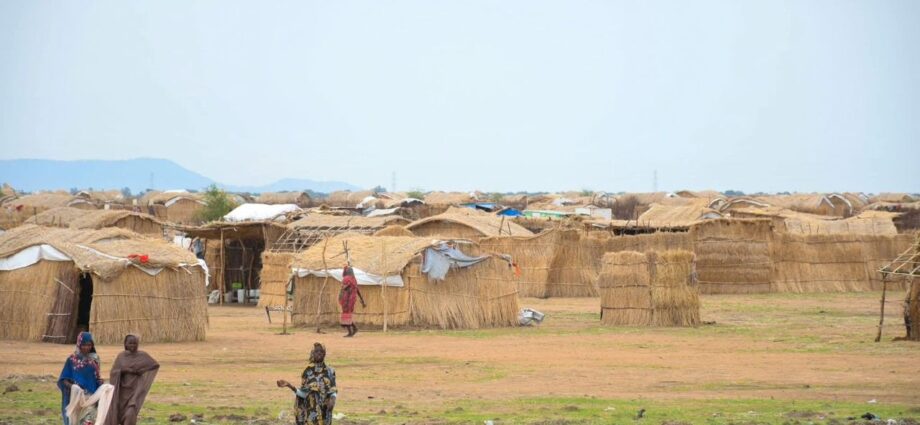
Thousands of returnees from South Sudan to Blue Nile State face deteriorating humanitarian conditions, amid a complete lack of basic services and the spread of deadly diseases, most notably cholera and other unknown diseases.
Sources from inside Damazin, the capital of Blue Nile State, told Darfur 24 that conditions inside concentration centers that receive returnees from South Sudan are catastrophic, confirming a lack of food and medicine and the spread of various diseases, including fevers, cholera, and skin diseases that have not yet been diagnosed.
According to the sources, the number of returnees is estimated at approximately 300,000, distributed among several shelter centers and sites, most notably Al-Karama Camp, the Shahida Fandi area located east of Damazin Airport, and a farm belonging to the Ministry of Agriculture in Al-Zuhur neighborhood.
Camp 6, located in the new Taaliya cities, is one of the areas most affected by the cholera outbreak.
The United Nations High Commissioner for Refugees (UNHCR) stated in a report published on its official website that 77,000 returnees from South Sudan to Blue Nile have returned.
The sources confirmed that the authorities are deliberately withholding information regarding the number of infections and deaths due to the widespread epidemics, especially Cholera.
She added, “There are no official statistics yet, and there is a clear blackout from the local government.”
She pointed out that some international humanitarian organizations have begun to intervene by sending mobile clinics to provide services in temporary isolation areas outside the cities and close to the camps.
The most prominent of these organizations are the International Committee of the Red Cross, World Vision, the United Nations High Commissioner for Refugees (UNHCR), and Relief International.
Sources confirm that the scale of the crisis far exceeds the capabilities of these organizations, given the lack of local government support.
She confirmed the emergence of 12 cases of cholera in the past week alone, in the Bak area of Al-Tadamon locality in Blue Nile State.
The situation in this area is exacerbated by the drought that has been ongoing for more than three months, as the region suffers from a severe scarcity of water resources, making it a fertile environment for the spread of vector-borne diseases.