Nairobi, June 30(Darfur 24)
The United Nations World Food Programme (WFP) warned on Monday that millions of Sudanese refugees in neighboring countries face the risk of hunger and malnutrition, amid a decline in life-saving aid.
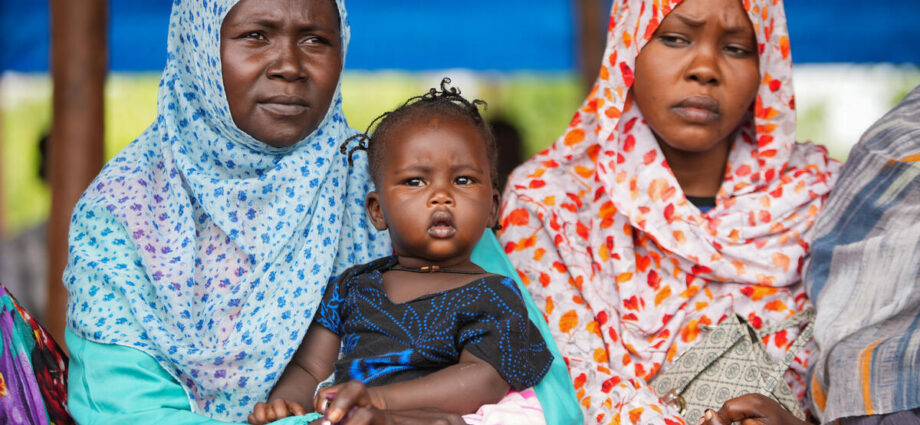
More than 4 million people have fled to neighboring countries in search of food, shelter, and safety since the outbreak of conflict in April 2023, with most families arriving at borders traumatized and malnourished.
The program said in a statement obtained by Darfur24 that it “may suspend assistance to Sudanese refugees in the Central African Republic, Egypt, Ethiopia, and Libya in the coming months unless new resources become available.”
It noted that many vulnerable refugees in Uganda are living on less than 500 calories a day—less than a quarter of daily food requirements—while new waves of arrivals are pushing refugee support systems to the brink of collapse.
WFP stated that it has decided to reduce food rations for Sudanese refugees in Chad in the coming months unless additional funding is received.
The World Food Program has continued to provide food and cash assistance to Sudanese refugees in the Central African Republic, Chad, Egypt, Ethiopia, Libya, South Sudan, and Uganda, and is also supporting host communities.
WFP stated that children are among the most vulnerable to the effects of protracted food insecurity, with acute malnutrition rates among refugee children in reception centers in Uganda and South Sudan exceeding the emergency threshold.
It continued: “Many children are malnourished even before they arrive to receive assistance”.
The World Food Programme (WFP) called on the international community to mobilize additional resources to ensure the sustainability of food and nutrition assistance for Sudanese refugees and host communities.
“We are facing a full-blown regional crisis, deepening in countries already struggling with high levels of food insecurity and conflict,” said Sean Hughes, WFP Emergency Coordinator for the Sudan Regional Crisis.
He noted that millions of people fleeing Sudan are entirely dependent on WFP support, and without additional funding, “we will be forced to make further cuts.”
He stressed that any reduction in aid would leave the most vulnerable families—especially children—at increased risk of hunger and malnutrition.
Hughes added: “Sudanese refugees are fleeing for their lives, but on the other side of the border, they face more hunger, despair, and scarce resources. Food assistance is a lifeline for refugee families who have no alternatives.”
The program requires more than US$200 million to continue its emergency response to Sudanese refugees in neighboring countries over the next six months, and an additional US$575 million to implement its lifesaving operations.