Port Sudan, March 18(Darfur24)
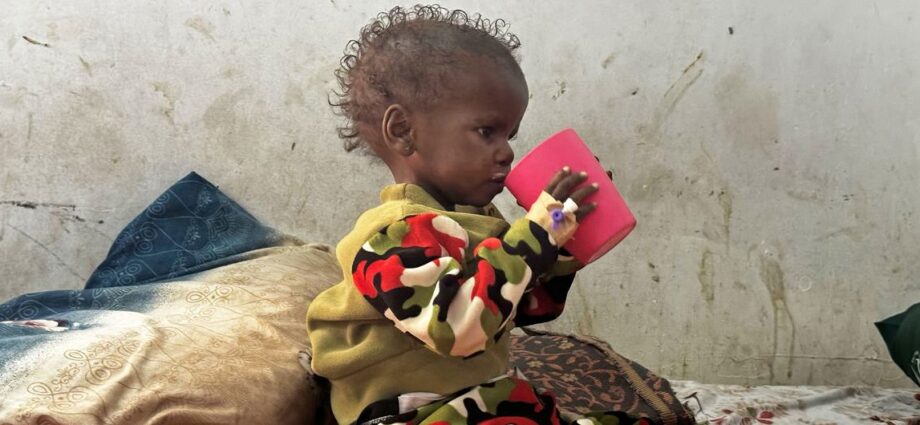
The United Nations Office for the Coordination of Humanitarian Affairs (OCHA) has warned that the ongoing siege of Zamzam Camp for displacedpeople( IDPs), outside El Fasher, North Darfur, Sudan, is exacerbating the suffering of thousands of displaced civilians struggling to survive months after famine was declared there.
UN Deputy Spokesperson Farhan Haq said at his daily press briefing that the crisis in the camp worsened during the month of Ramadan, as food shortages worsened and prices of basic commodities soared, making essential items unaffordable for most families. UN partners on the ground are reporting increasing signs of hunger.
Armed attacks continue along the road between Zamzam and El Fasher, with numerous casualties and injuries reported.
A humanitarian partner in Zamzam warned that the presence of improvised explosive devices (IEDs) within the camp is also a growing concern.
The situation has been further exacerbated by funding cuts and the withdrawal of most aid organizations operating in the area due to insecurity. The World Food Programme (WFP)and its partners were forced to suspend operations in Zamzam camp last month.
Malnutrition in Khartoum
OCHA also expressed concern about the deteriorating situation in parts of Khartoum state. Local volunteer aid workers report a rise in acute malnutrition and a shortage of medicines in the East Nile area.
Malnutrition is widespread among children and pregnant women, particularly in the Haj Youssef neighborhood, where conditions are particularly critical. Food shortages are a major problem due to the closure of most community kitchens.
There are also grave concerns about reports of serious human rights violations in Khartoum as fighting continues and lines of control shift rapidly. Two weeks ago, frontline aid workers recorded more than 800 cases of severe malnutrition among children, with numbers continuing to rise, according to OCHA.
Meanwhile, cases of anemia, hepatitis, night blindness, and malaria are on the rise due to severe medicine shortages in the few functioning health facilities.
OCHA warned that the scale of suffering in Sudan is staggering, warning that the consequences will be devastating for millions of people without urgent intervention.
UN Deputy Spokesperson Farhan Haq reiterated his call for an immediate cessation of hostilities in Sudan and unfettered humanitarian access to enable the delivery of life-saving assistance.