Um Dafuq, November 12 (Darfur24)
Residents and community leaders in Sudan’s Um Dafuq, South Darfur State, forced the locality’s executive director, Mohamed Adam, to leave on Tuesday, accusing him of neglecting his duties and failing to provide basic services.
The protest followed Adam’s return to the area at the start of the local revenue collection season. Community elders and leaders gathered outside the local administration office and demanded his removal before his transfer to the state capital, residents said.
Residents told Darfur24 that Adam collected local revenues during the previous season without funding projects to improve public services. They also accused him of abandoning his post in June without appointing a replacement, leaving the locality without effective administrative leadership.
They said the area continued to face challenges linked to its border with the Central African Republic, as well as deteriorating health and education services.
Adam’s return and resumption of duties from his office coincided with the start of the new revenue collection season, prompting residents and local leaders to demand his departure, they added.
The head of the local administration, Mayor Abdul Karim, said Adam had shown little concern for residents’ living conditions and that the community opposed his continued tenure.
He urged the South Darfur state government to appoint a qualified official to address the locality’s problems.
Um Dafuq is a remote locality bordering the Central African Republic, more than 200 kilometres from Nyala, the capital of South Darfur. Its isolation and poor road network make access to basic services particularly difficult during the rainy season, when floods frequently cut off transport routes.
Health services have been especially affected. The locality’s rural hospital remained closed for several months for lack of doctors. Local reports linked the disruption to the deaths of 11 women during childbirth.
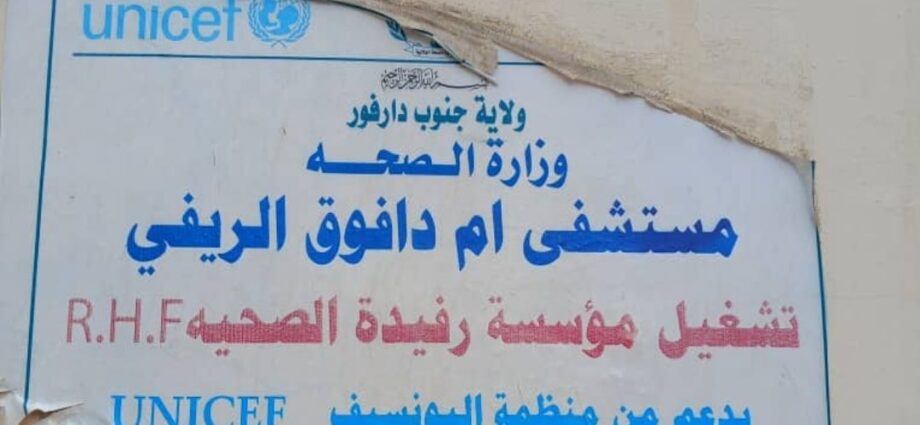
The hospital reopened in October with support from UNICEF, which provided medical personnel and medicines.
The closure of the border with the Central African Republic in June also left thousands of herders and their livestock stranded in the area, increasing pressure on grazing land and farmland and contributing to tensions between farmers and herders.
Residents continue to complain about inadequate government services and limited official support in the remote border locality.