Omdurman, October 31 (Darfur24)
Markets in Omdurman are facing a slowdown amid fuel shortages and frequent power cuts that have disrupted bakeries, mills and the sale of basic commodities, while prices of some goods have declined slightly in recent days.
Traders attributed the disruption to drone attacks on electricity infrastructure, which caused prolonged outages in several areas, as well as fuel shortages, limited supplies at petrol stations and soaring prices on the parallel market.
The Al-Murkhiyat transformer station, northwest of Omdurman, was hit by drones on October 27, knocking it out of service and causing power cuts across large parts of Khartoum and River Nile states.
Bakeries struggle with rising costs
Al-Jili Ismail, a bakery owner, said a 25-kilogram sack of flour cost 192,000 Sudanese pounds. His bakery uses between 14 and 15 sacks daily and produces about 80 to 85 cartons of bread, he said.
A carton of yeast cost 370,000 pounds, while he had switched to firewood because of fuel shortages. A quintal of firewood cost 50,000 pounds, excluding oil expenses, he added.
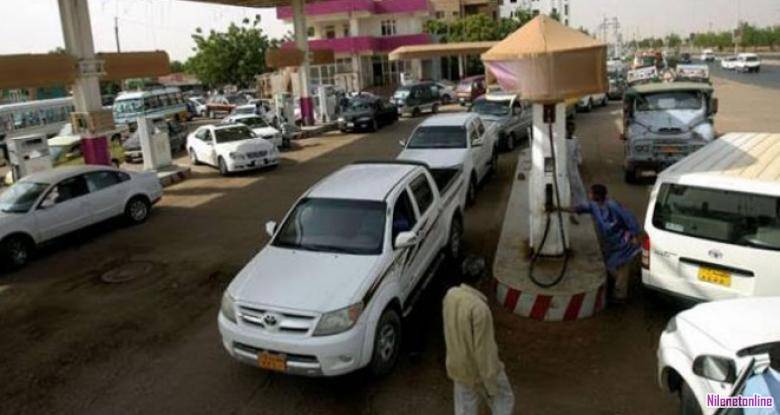
Ismail said fuel shortages had also disrupted supply transport. A four-gallon jerrycan of fuel cost 500,000 pounds on the parallel market, where supplies were difficult to obtain, while petrol stations had none available.
Power cuts halt mill operations
Nasr al-Din Mahmoud, a mill owner, said power outages and fuel shortages had forced him to suspend operations for three days.
He said he had been unable to obtain fuel either from petrol stations or on the parallel market.
Mahmoud reported that a kilogram of millet cost 17,000 pounds, while a malwa—a locally used measure—cost 20,000 pounds, including milling fees. Half a malwa cost 10,000 pounds.
A kilogram of corn cost 11,000 pounds, he said, while a malwa cost 14,000 pounds and half a malwa 7,000 pounds.
Basic commodity prices
Trader Amir al-Shaib Ibrahim said a 50-kilogram sack of sugar cost 405,000 pounds, while 10-kilogram and five-kilogram sacks sold for 82,000 and 42,000 pounds, respectively. The price of a kilogram of sugar was 9,000 pounds.
A can of peanut oil cost 380,000 pounds, while frying oil sold for 340,000 pounds. A litre of oil cost 25,000 pounds, he said.
A sack of milk rice cost 270,000 pounds, compared with 240,000 pounds for a sack of rice. Per-kilogram prices stood at 14,000 pounds for milk rice and 11,000 pounds for rice.
Al-Shaib Ibrahim said a sack of lentils cost 210,000 pounds and a sack of pasta 85,000 pounds, with pasta selling for 9,000 pounds per kilogram. A 50-kilogram sack of flour cost 450,000 pounds, while the reported price per kilogram was 7,500 pounds.
He also reported that onions were selling for 6,000 pounds per kilogram and 3,000 pounds per half-kilogram, although he cited a price of 2,000 pounds for a small quantity of three to four onions. He said prices of several commodities had fallen slightly in recent days despite continued difficulties affecting trade and sales.
Displaced families face mounting pressure
Ayat Ibrahim, a displaced woman from El Fasher and mother of four, said power cuts and weak demand had severely affected her livelihood selling kisra, a traditional sorghum flatbread.
She said she had travelled to Sabreen market to buy flour but spent three days working without making a profit, sometimes failing to even recover her costs.
Ibrahim said she dried leftover bread rather than wait for it to sell, citing her family’s difficult circumstances and the needs of her infant child.