Um Dafuq, October 19 (Darfur24)
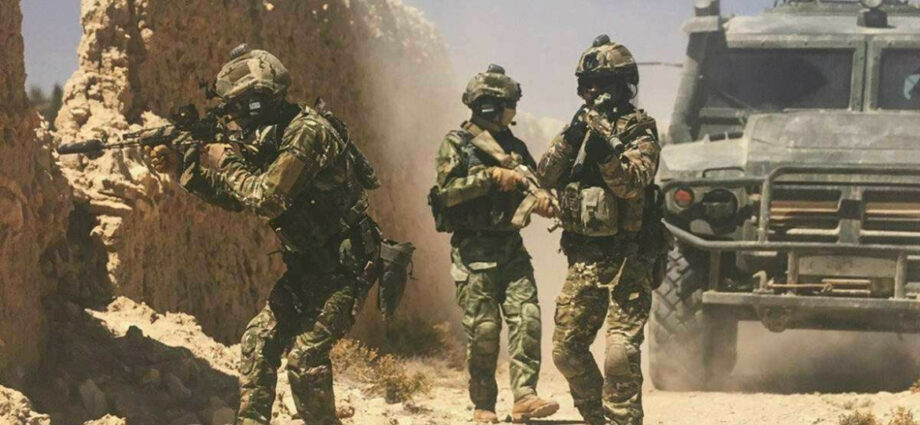
Sudanese traders said on Monday that Russian and Central African Republic government forces raided the Sanguilo mining market inside the Central African Republic, assaulting traders and looting money, gold, and mobile phones.
Mohamed Jibril, a trader, told Darfur24 that the joint force stormed the market, frequented by many Sudanese traders, and began beating them with weapons and sticks, triggering panic among those present.
He said the forces struck one Sudanese trader on the head with a weapon and prevented him from receiving first aid until long after they had left the market. The injured trader was later taken to hospital.
Jibril added that the forces looted mobile phones and large sums of money from traders’ shops. He said a trader identified as Bahr lost 22 million Central African francs and about two kilograms of gold, while other traders also reported having their property stolen.
Another trader, Al-Naeem, said traders lacked security and legal protection, accusing local authorities of summoning Russian forces to enforce disputed demands.
“We have no security here, especially since the local government imposes things on us, and when we protest, they inform the Russian forces to come and take everything by force,” he said. “All the authorities just watch and do not defend us.”
Hundreds of Sudanese traders operate in artisanal gold-mining markets across the Central African Republic, particularly in Sanguilo, Ndile and Amdafok, where Sudanese miners search for gold.
Central African government forces, backed by Russian personnel formerly associated with the Wagner Group, maintain control over large parts of the country, including mining areas. Local and international human rights organizations have accused government forces and their Russian allies of abuses against civilians and foreign traders, including looting, arbitrary arrests, and physical assaults.
Sudanese traders have repeatedly complained about what they describe as excessive fees and levies imposed by local authorities and armed forces, as well as the lack of legal protection despite paying those charges.