Nyala, October 14 (Darfur24)
The civilian administration of the Rapid Support Forces (RSF) in South Darfur State has issued a three-month emergency order imposing security restrictions, including a ban on carrying firearms in markets and public gatherings and firing shots during events.
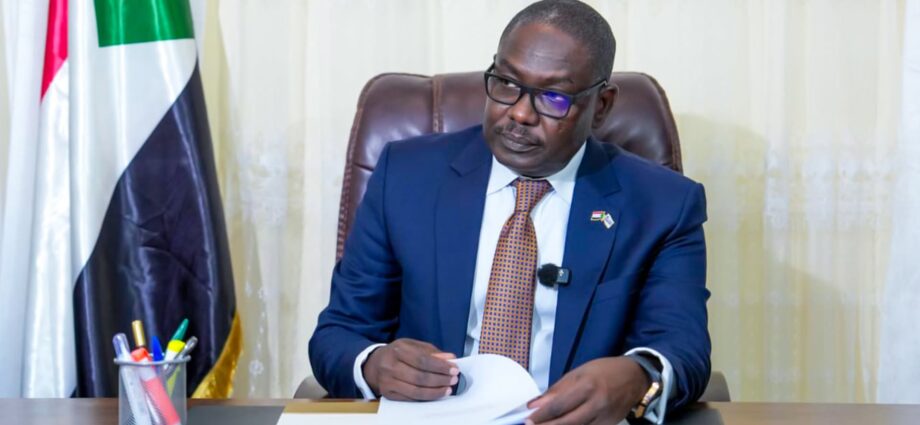
The order, signed by Salah Ahmed Ismail, head of the state’s civil administration, prohibits activities that incite tribalism, racial hatred or discrimination, or threaten public security. Darfur24 obtained a copy of the order.
It also bans inflammatory speeches and banners, attacks on public and private property, intimidation of citizens and activities deemed to undermine public peace.
The order further prohibits the preparation, publication and circulation of news that it says could endanger citizens, threaten public peace or promote hatred, racism and discrimination.
Other provisions target the trafficking, possession, use and promotion of narcotics and psychotropic substances, the smuggling of resources to other states and neighbouring countries, and the sale, purchase, transport or storage of stolen goods.
The order prohibits tribal interference in criminal, civil and legal cases, except for mediation aimed at reconciliation. It also suspends cases considered disruptive to public security or likely to incite public opinion, including disputes involving land, markets, schools and other public places.
On military matters, the order bans civilians from wearing military uniforms and states that military personnel who side with their tribes and participate in tribal conflicts or gatherings deemed racist will be held accountable.
Joint police and RSF forces have been tasked with enforcing the measures, arresting people suspected of violating the order and securing markets, public gatherings, fuel stations and checkpoints. The order prohibits extrajudicial arrests while authorising the detention of suspects in connection with offences covered by the emergency measures.
The order also restricts vehicles with tinted windows, exempting those belonging to constitutional and legislative bodies, ministry directors-general and members of the State Security Committee.
It grants procedural immunity to forces enforcing the order, requiring permission from the head of the civil administration before legal action can be taken against them for conduct in the course of their duties.
The measures authorise general searches of suspected locations when necessary, while personal searches require an order from the public prosecution or judiciary. Courts designated by the competent authority will hear cases involving civilians, while military courts will handle violations committed by military personnel.
Violations carry penalties of up to one year in prison, a fine of up to 10 million Sudanese pounds, or both. Materials, tools and other means used to commit offences may also be confiscated for the benefit of the state government. The prison term and fine are doubled for repeat violations.