Tawila, September 19 (Darfur24)
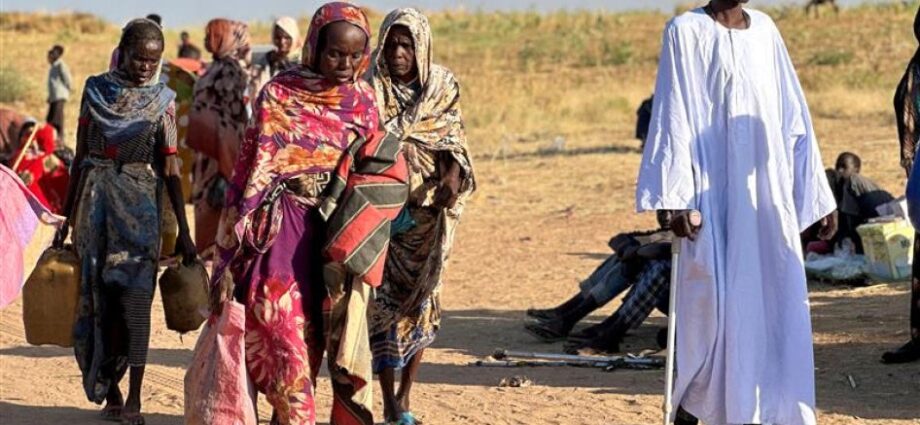
Officials and community leaders in Tawila, North Darfur, have warned of worsening conditions for people with disabilities who fled El Fasher, amid a severe humanitarian and economic crisis in displacement camps.
Hundreds of wounded and injured civilians and military personnel fled El Fasher to Tawila after the Rapid Support Forces (RSF) took control of the city in October 2025.
In February, the civilian authority of the Sudan Liberation Movement, led by Abdul Wahid Mohamed Nour, allocated a site for people with disabilities near Alima Organization’s hospital in the new Dabba Nayra displacement camp.
A community leader in Tawila told Darfur24 that shortages of humanitarian assistance have compounded the difficulties faced by displaced people with disabilities, including wounded army personnel and members of the joint force who fled El Fasher.
He said the lack of aid has placed additional pressure on vulnerable families, while some disabled military personnel at the shelter continue to face severe shortages of food and other necessities.
A disabled soldier told Darfur24 that dozens of soldiers who fled El Fasher are staying at the shelter near Alima Hospital and are facing what he described as “catastrophic” conditions due to limited assistance.
He said some residents have been forced to beg in Dabba Nayra market, while others have turned to informal activities to survive.
An activist said the deteriorating conditions have also contributed to tensions and psychological distress among some residents at the shelter.
The activist alleged that there had been incidents involving confrontations between some residents and passersby, including women, prompting some families to restrict their children’s visits to Alima Hospital.
The activist called on the Sudan Liberation Movement’s civilian authority to strengthen oversight of aid distribution and ensure that assistance intended for people with disabilities reaches them.
Tawila, controlled by the Sudan Liberation Movement, has become one of Sudan’s largest displacement hubs. The area currently hosts about 665,000 displaced people, most of whom fled El Fasher and surrounding areas.