Tawila, August 12 (Darfur24)
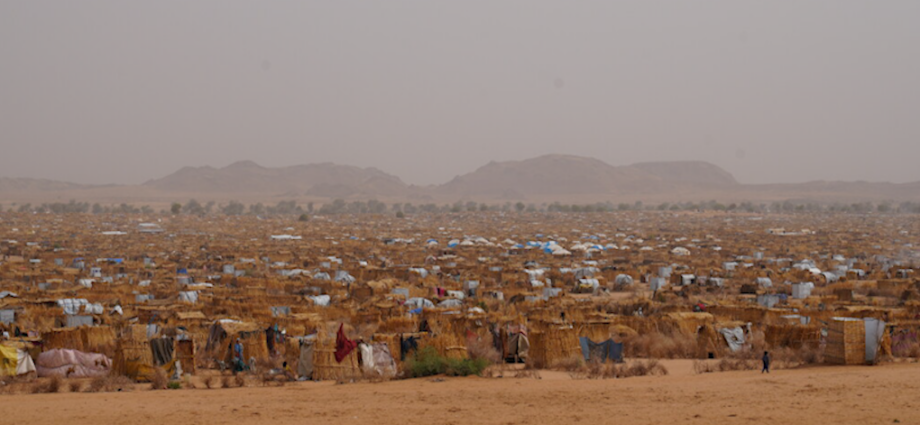
Heavy rains in Tawila locality, North Darfur State, destroyed hundreds of tents and temporary shelters for displaced people on Tuesday night, amid severe shortages of shelter materials and humanitarian assistance.
Local officials told Darfur24 that the rains continued from about 9 p.m. until the early hours of Wednesday, affecting hundreds of families in displacement sites across the locality.
Displaced residents said rainwater flooded their shelters and belongings, turning large parts of the sites into pools and muddy areas. The drop in temperatures that followed the rainfall further worsened conditions for children, older people, and those with chronic illnesses.
The displaced people are already facing shortages of shelter materials, clean water, food, medicines, and other basic assistance.
The General Coordination of Displaced Persons and Refugee Camps warned that the humanitarian and health situation in Darfur’s displacement sites was deteriorating amid shortages of food, medicine, and clean water. It said 12 cholera cases were recorded in Tawila between July 5 and August 11, with no deaths reported.
The coordination said most of the cases were concentrated in Dabanera camp, which it described as a potential disease hotspot, warning that cholera could spread to other camps amid heavy rains, contaminated water sources, overcrowding, and inadequate sanitation and health services.
Tawila hosts more than 700,000 displaced people, according to UN estimates, many of whom fled fighting and violence in El Fasher and surrounding areas.
Most live in informal settlements or makeshift shelters with limited infrastructure and inadequate access to water, sanitation, healthcare, and humanitarian assistance. Security restrictions and movement limitations have further complicated the delivery of aid.
Residents warned that continued rainfall could cause further damage to shelters and increase the risk of disease, particularly among children, women, older people, and families who lost their homes and livelihoods during displacement.