Khartoum, April 07 (Darfur24)
Residents of Khartoum State have reported sharp increases in transportation fares, fuel prices, and the cost of bread, reflecting mounting economic pressures on households across the العاصمة.
Citizens told Darfur24 that public transport fares have risen significantly in recent days, despite no official announcements from local authorities regulating the increases.
Najla Abdullah, a resident of Omdurman, said fares on long-distance routes, such as Libya Market to Haj Youssef and Libya Market to Bahri, have climbed to between 4,000 and 5,000 Sudanese pounds.
She added that other routes have also seen notable hikes, including the Sabreen to Al-Salha route, which increased from 2,000 to 3,000 pounds, and Al-Shaqla to the Central Market, which rose from 4,000 to 5,000 pounds. Fares on shorter routes now range between 1,000 and 2,000 pounds.
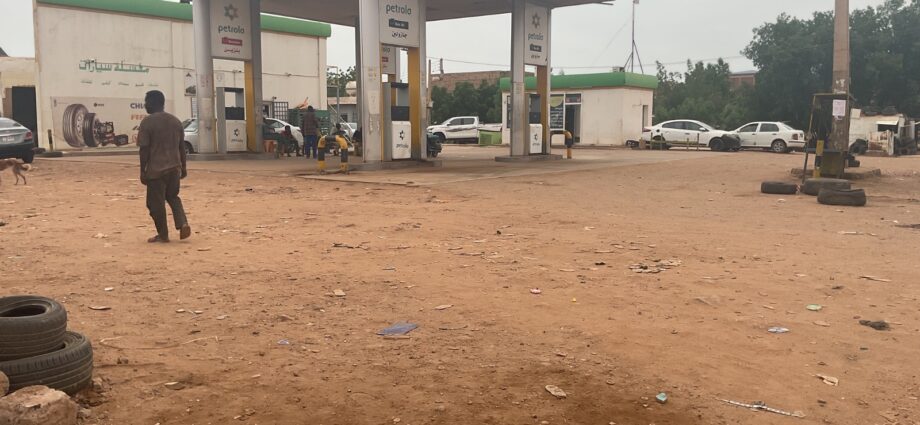
Residents linked the surge in transport costs to rising fuel prices. Ahmed Musa, a resident of Khartoum, said the price of a gallon of gasoline has jumped from 24,000 to 34,000 pounds, contributing not only to higher transport fares but also to increased bread prices.
He noted that bakeries have reduced the number of loaves sold for 1,000 pounds from five to four, effectively raising the cost of bread amid worsening living conditions.
Bakery owners say rising operational costs are behind the price adjustments. Abdullah Abdulmalik, who owns a bakery in Dar Al Salam in Ombada locality, explained that the price of a sack of flour has increased from 55,000 to 60,000 pounds. He added that transportation fees and the cost of fuel for generators, used during frequent power outages, have further strained production costs.
Meanwhile, rickshaw drivers operating in East Nile and Omdurman said restrictions on fuel access for unlicensed vehicles have worsened the situation.
According to several drivers, the limitations have driven fares up from 1,000 to 1,500 pounds, even as fuel remains available at stations.
The combined increases in transportation, fuel, and food prices are placing additional burdens on residents already grappling with the economic fallout of Sudan’s ongoing conflict.