Nairobi, March 31 (Darfur24)
Escalating tensions in the Middle East are beginning to reshape the trajectory of Sudan’s war, as disruptions in the Red Sea and shifting regional priorities place new economic and political pressures on the country’s warring parties.
A new analysis by the Sudan Conflict Monitor indicates that while the conflict between the Sudanese Armed Forces (SAF) and the Rapid Support Forces (RSF) remains rooted in internal power struggles, external shocks linked to the Gulf crisis are increasingly influencing its course.
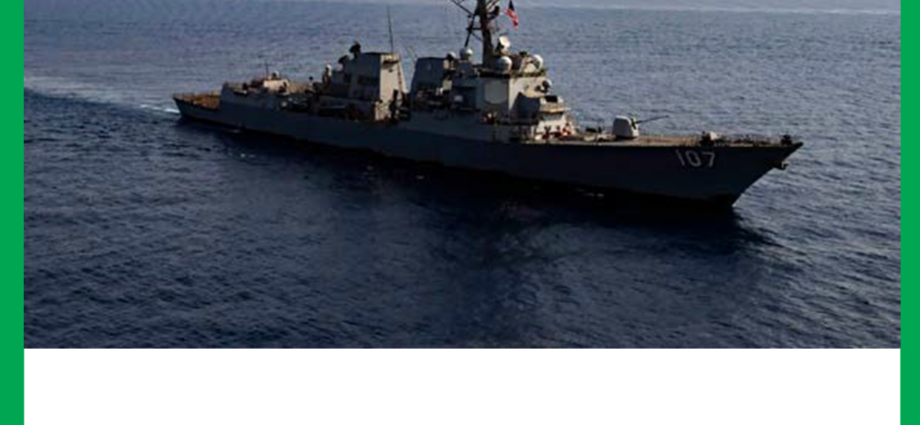
The report highlights maritime insecurity as the most immediate concern, with major shipping routes affected by rising tensions. As vessels reroute away from the Red Sea, Sudan faces growing challenges in importing essential goods through Port Sudan, driving up costs and limiting access to fuel, food, and medical supplies.
These developments are expected to intensify pressure on Sudan’s already fragile economy, where both sides rely on complex supply networks to sustain their operations. Increased scrutiny on financial flows and trade routes may further complicate access to resources, particularly for actors dependent on cross-border and informal channels.
At the diplomatic level, the crisis is drawing attention away from Sudan. Gulf countries, which have played key roles in mediation efforts, are now prioritizing regional security concerns, raising fears of reduced international engagement in efforts to end the war.
The report also points to evolving regional alignments, with the SAF likely to emphasize its role in maintaining Red Sea stability, while the RSF continues to rely on networks tied to regional financial hubs and cross-border trade routes.
Meanwhile, tensions along Sudan’s western frontier underscore the growing regionalization of the conflict. The closure of Chad’s border with Sudan has disrupted key supply corridors, affecting both civilian livelihoods and the movement of armed groups.
Despite these broader shifts, the situation on the ground remains marked by continued violence against civilians. Air and drone strikes by both sides have repeatedly hit populated areas and civilian infrastructure, exacerbating displacement and humanitarian needs.
Observers warn that the intersection of regional instability, economic strain, and ongoing military operations is likely to prolong the conflict, deepen divisions on the ground, and further limit humanitarian access across Sudan.