Khartoum, March 06 (Darfur24)
Sudan is increasingly becoming a significant node in the production and trafficking of synthetic drugs, including Captagon and methamphetamine‑type substances, as illicit drug markets shift in the wake of the ongoing war, a new report by the Sudan Transparency and Policy Tracker says.
The report, titled Drugs in Wartime Sudan: an Illicit Economy fuelling the war, reveals that since the outbreak of civil war between the Sudanese Armed Forces and the Rapid Support Forces in April 2023, Sudan has transitioned from a transit corridor to an emerging production centre for Captagon and other synthetic drugs, a market once dominated by regions such as the Levant.
According to the report, a sharp acceleration in drug production and trafficking has taken place since the conflict began. Between 2015 and 2025, nineteen drug laboratories and seizure incidents were recorded in Sudan — with most activity clustered after 2023 — suggesting that the weakening of state oversight and fragmented authority created opportunities for illicit networks to expand.
The analysis shows that production capacity has grown significantly, with laboratories capable of producing from 7,200 Captagon pills per hour in mid‑2023 to industrial‑scale facilities able to manufacture up to 100,000 pills per hour by early 2025. Equipment associated with this capacity is estimated at around $3 million in value.
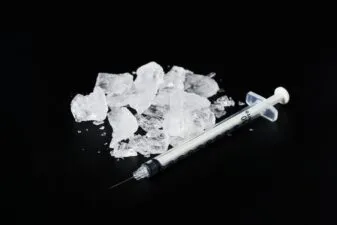
Reported drug lab seizures and interceptions have occurred across various parts of the country, including the Red Sea region, highlighting Sudan’s strategic role in maritime trafficking routes that link to Gulf markets. A notable seizure in January 2026 reportedly intercepted nearly half a ton of predominantly crystal meth, a drug often associated with international trafficking networks.
The report warns that weak governance, porous borders, and fragmented control over territory have facilitated the spread of illicit drug production and distribution, which in turn may fuel wider security challenges and corruption across the country. Researchers also noted that drug use and trafficking disproportionately affect youths and displaced populations, presenting additional public health risks amid ongoing conflict.
The paper calls for increased regional cooperation to monitor and dismantle trafficking routes, enhanced customs and law‑enforcement capacity, and coordinated strategies to prevent Sudan’s further integration into global synthetic drug markets. Strengthening border surveillance and supporting law enforcement agencies are among the key recommendations to counter the expanding drug economy.
Sudanese authorities have not responded to the report’s findings.