Nairobi, February 25 (Darfur24)
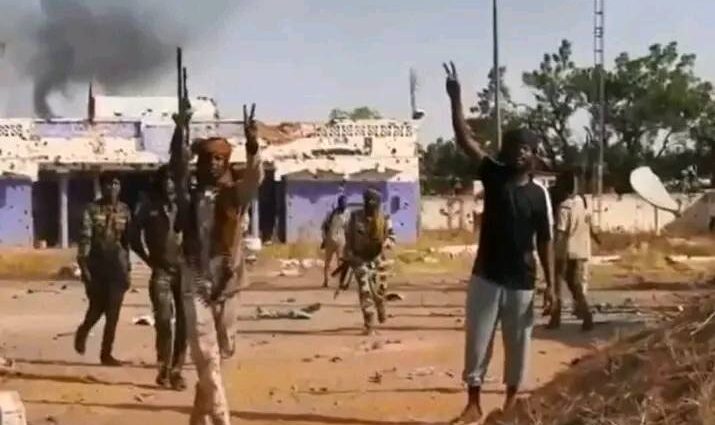
Human Rights Watch said Wednesday that fighters from the Rapid Support Forces targeted, abused, and killed people with disabilities during their takeover of El Fasher, the capital of North Darfur, in the last week of October.
In a statement, the organization said RSF fighters accused people with physical disabilities of being “wounded fighters,” while mocking others as “crazy” or “imperfect,” citing testimonies from survivors and witnesses.
The organization stressed that the deliberate killing of civilians or subjecting them to cruel or degrading treatment constitutes a war crime and may amount to crimes against humanity if committed as part of a widespread or systematic attack on civilians.
Murder and extortion
Emine Ceremovic, co-director of disability rights at Human Rights Watch, said the forces “treated people with disabilities as suspects or an unnecessary burden,” noting documented cases of arbitrary executions of people who had lost limbs.
The organization said it interviewed 22 survivors and witnesses from El Fasher between December 2025 and February 2026, including people who fled to eastern Chad, as well as eight disability rights activists from other parts of Sudan.
One survivor, a man who uses crutches, said fighters executed more than 10 people, most of them with physical disabilities, as they attempted to flee the city. He also reported being detained for four days before being released after a large ransom was paid.
Human Rights Watch also cited the testimony of a nurse who said she witnessed fighters kill a young man with Down syndrome, a blind child, and a woman with a physical disability while civilians were escaping.
The organization said RSF fighters looted assistive devices, including wheelchairs and hearing aids, which were essential for mobility and daily functioning. Witnesses added that some families were forced to leave disabled relatives behind due to a lack of transportation, exposing them to danger.
In displacement areas, particularly in Tawila, displaced people reported shortages of assistive devices, medical care, and psychosocial support, while camp facilities were described as inaccessible to people with physical disabilities.
Calls for international action
Human Rights Watch noted that international humanitarian law obliges parties to conflict to protect civilians, including persons with disabilities, and that the Convention on the Rights of Persons with Disabilities, ratified by Sudan, requires protection of persons with disabilities during armed conflict.
The organization called on the United Nations Security Council to take urgent measures to prevent further violations, including imposing sanctions on RSF leadership and urging its backers to cease support. It also urged coordination with the African Union to deploy a civilian protection mission and ensure humanitarian assistance is inclusive and accessible.
Ceremovic said Human Rights Watch had never previously documented abuses “of this type and scale directed against people with disabilities because of their disability,” urging governments to act immediately to ensure accountability and halt the violations.