Geneva, February 19 (Darfur24)
An independent international fact-finding mission on Sudan has found evidence suggesting that the Rapid Support Forces carried out a coordinated campaign of destruction against non-Arab communities in and around El Fasher, actions that bear “the hallmarks of genocide,” the mission said in a report submitted to the Human Rights Council.
The report, titled “Features of Genocide in El Fasher,” documented war crimes and crimes against humanity, identifying at least three acts that meet the legal criteria for genocide: killing members of protected ethnic groups, causing serious physical and psychological harm, and imposing living conditions intended to destroy the group in whole or in part.
Mohamed Chande Othman, head of the mission, said, “The scope, coordination, and public endorsement of the operation by senior Rapid Support Forces commanders demonstrate that the crimes committed in and around El Fasher were not random excesses of war, but part of an organized and planned operation bearing the hallmarks of genocide.”
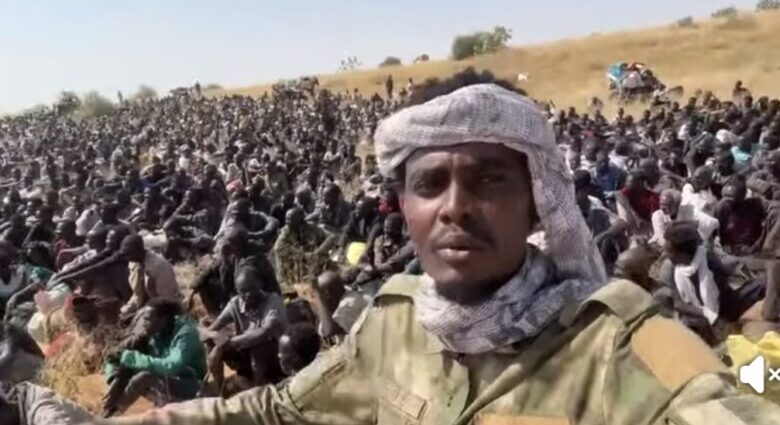
The mission noted that the capture of El Fasher followed an 18-month siege that weakened targeted populations through starvation, deprivation, trauma, and detention in conditions “calculated to destroy them.” Thousands, particularly from the Zaghawa tribe, were reportedly killed, raped, or disappeared during three days of widespread violence, while the RSF leadership publicly hailed the capture as a “major military victory.”
Evidence of Intent
The report highlighted a systematic pattern of attacks against specific ethnic groups, including the Zaghawa and Fur, citing mass killings, widespread rape, sexual violence, and torture during the assault in late October. Public statements by some RSF fighters indicating an intent to target these communities reinforced the conclusion that the violence was genocidal in nature.
The mission also noted the selective targeting of women and girls from these groups while sparing women perceived as Arab, underscoring the discriminatory and destructive nature of the attacks.
Othman emphasized the urgent need to protect civilians as the conflict spreads to the Kordofan region, warning that the risk of further genocide remains without effective accountability and preventive measures. He called on the international community to fulfill its special obligation to prevent, protect, and ensure justice when evidence points to possible genocide.
The Human Rights Council established the mission on 11 October 2023 to investigate violations committed since the outbreak of conflict on 15 April 2023 between the Sudanese Armed Forces, the Rapid Support Forces, and other parties.